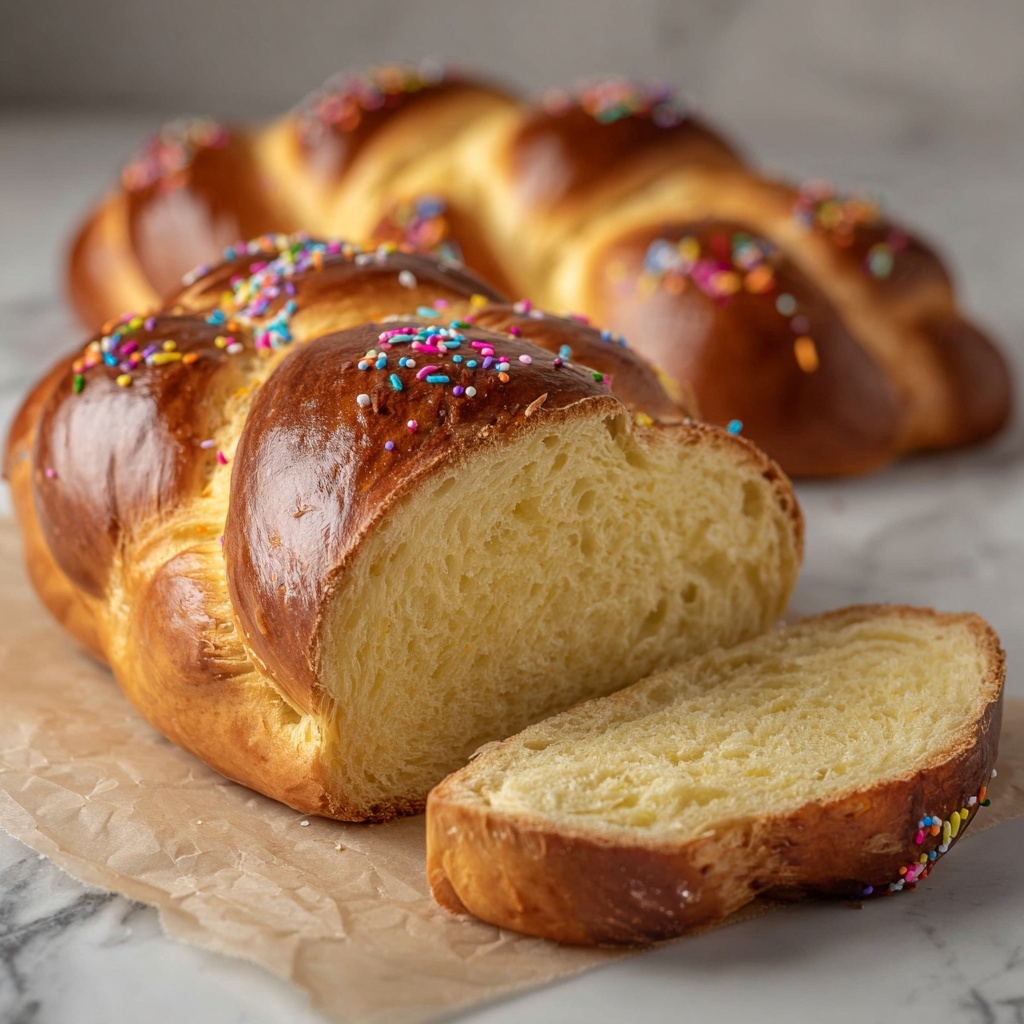
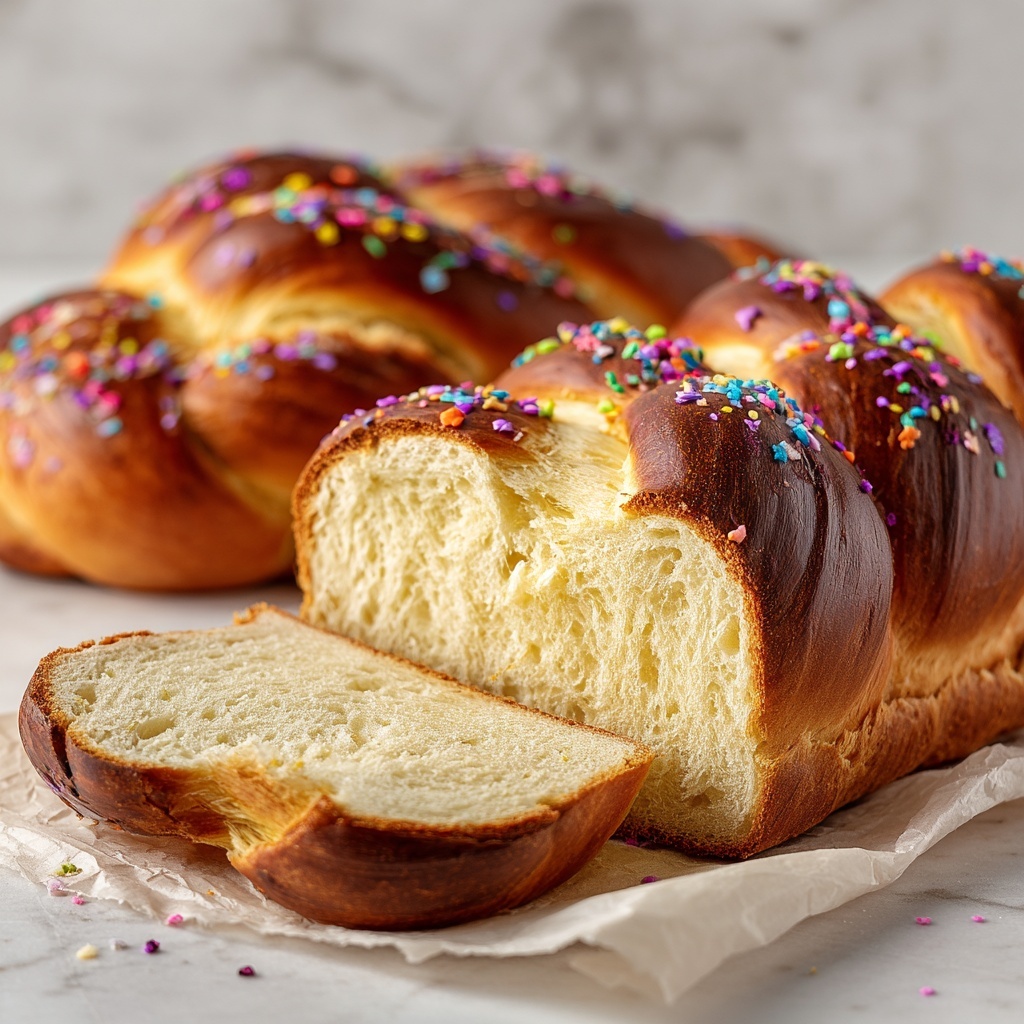
If you’re searching for a delightful way to celebrate the season, this Italian Ricotta Easter Bread Recipe is nothing short of magic. Soft, sweet, and beautifully braided, it brings together the creamy richness of ricotta with the aromatic warmth of vanilla and cinnamon, creating a bread that’s as comforting as it is festive. This classic treat is perfect for sharing at your holiday table, offering not just incredible taste but also a charming centerpiece that carries a bit of tradition and heart in every bite.
Ingredients You’ll Need
Gathering simple ingredients is the first step to creating this Italian Ricotta Easter Bread Recipe. Each one plays an essential role: from the flour that gives the bread structure to the ricotta cheese that adds moistness and tenderness, these basics come together to produce a wonderfully soft and flavorful loaf.
- 4 cups all-purpose flour: The foundation for light and fluffy bread texture.
- 1 package active dry yeast (or 2 ¼ tsp): Helps the dough rise beautifully, making it airy and tender.
- 1 cup whole milk, warmed: Activates the yeast and enriches the dough’s moisture.
- 1 cup ricotta cheese, drained: Adds a creamy, soft texture and slight tang.
- 1/2 cup granulated sugar: Sweetens the bread just right without overpowering it.
- 1/4 cup unsalted butter, melted: Contributes to a rich flavor and tender crumb.
- 2 large eggs: Bind ingredients together and add richness.
- 1 tsp vanilla extract: Brings subtle warmth and depth of flavor.
- 1/2 tsp salt: Balances sweetness and enhances all flavors.
- 1/2 tsp ground cinnamon (optional): Adds a gentle spice that complements the sweetness.
- 1 egg (for egg wash): Gives a gorgeous golden sheen to the finished bread.
- Sprinkles or colored sugar (optional): For a festive, joyful presentation.
- 2-4 dyed Easter eggs (optional, for decoration): Traditional and colorful accents nestled into the braid.
How to Make Italian Ricotta Easter Bread Recipe
Step 1: Prepare the Dough
Start by awakening your yeast with warm milk and a spoonful of sugar until it froths—this signals that it’s ready to work its magic. Then, blend your dry ingredients like flour, the rest of the sugar, salt, and perhaps cinnamon if you love a hint of spice. Mixing in the ricotta, melted butter, eggs, and that bubbly yeast mixture results in a sticky dough that you’ll knead until it’s wonderfully smooth and elastic. Let it rest in a warm spot, covered gently, allowing the dough to rise and double, which is when the transformation truly begins.
Step 2: Shape the Bread
Once your dough has puffed up nicely, punch it down with a little joy and divide it into three equal ropes. Rolling each into long strands sets you up to braid—a fun and satisfying step that turns simple dough into a festive loaf. If you’re adding those classic dyed Easter eggs, nestle them carefully into the braid for a traditional and colorful touch.
Step 3: Let the Bread Rise
Place your braided creation on a baking sheet lined with parchment paper, cover it once more, and give it another chance to puff up. This second rise ensures the bread will bake up light and tender, with a beautifully airy crumb that melts in your mouth.
Step 4: Bake the Bread
Preheat your oven and brush the loaf with a beaten egg wash to promise that golden, shiny crust we all adore. The baking time is the perfect moment to fill your kitchen with sweet, inviting aromas—when the bread emerges golden brown and hollow-sounding when tapped, you’ll know it’s ready to shine.
Step 5: Cool and Decorate
Cooling the bread on a wire rack is an important ritual; it sets the crust and preserves its softness inside. If you want to dress it up for the celebration, sprinkle colorful sugar or sprinkles on top for that extra festive cheer before slicing into this tender, rich bread that embodies the spirit of the season.
How to Serve Italian Ricotta Easter Bread Recipe
Garnishes
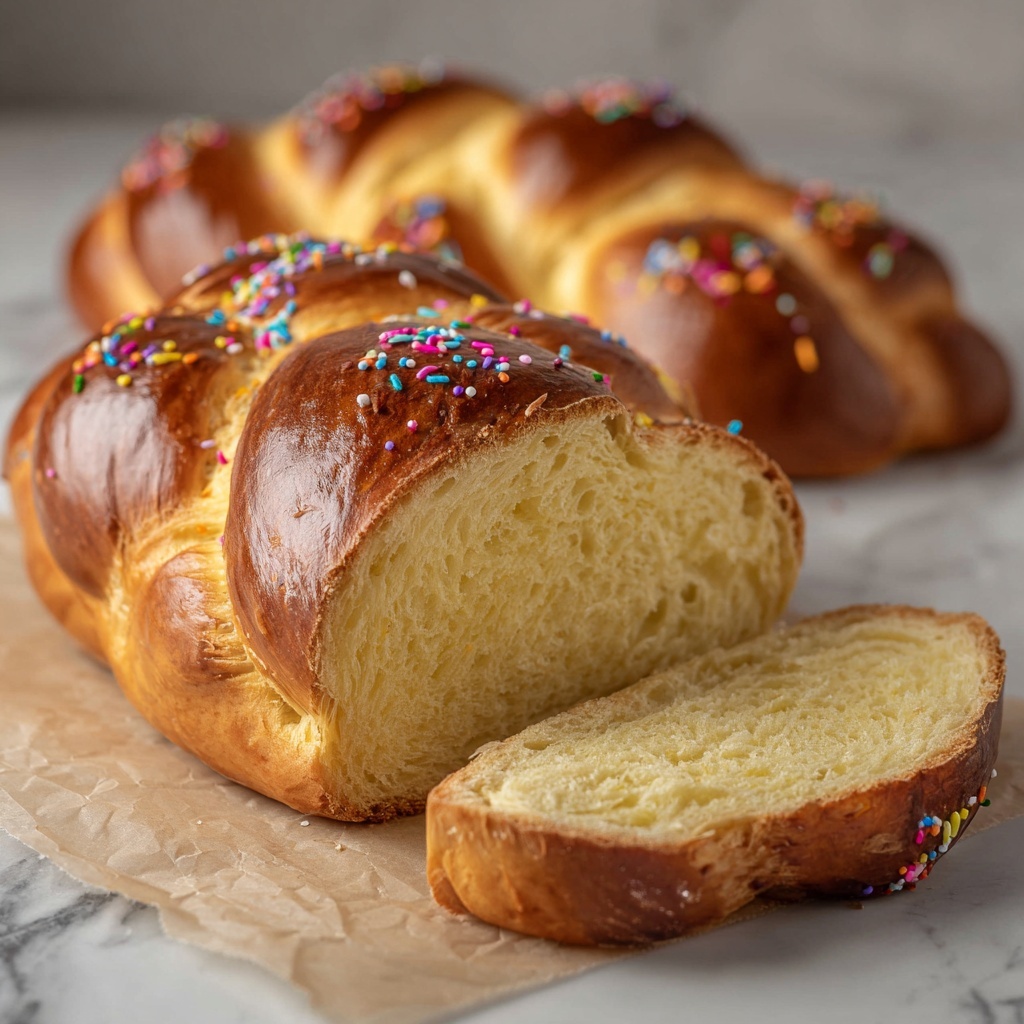
For a lovely finishing touch, add a handful of brightly colored sprinkles or a dusting of powdered sugar to make your Italian Ricotta Easter Bread Recipe pop visually. Freshly dyed Easter eggs tucked into the braids not only add color but also honor a sweet tradition that guests will love discovering.
Side Dishes
This bread pairs beautifully with a cup of freshly brewed coffee or warm tea, making it perfect for a morning gathering or an afternoon treat. You can also serve it alongside soft cheeses or fruit preserves to balance the sweetness with a bit of creaminess or tartness.
Creative Ways to Present
Try arranging the braided bread on a rustic wooden board surrounded by spring flowers or colorful napkins to create a festive centerpiece. You can slice it thick and spread with butter and honey for a comforting twist, or offer slices topped with ricotta and fresh berries for a sophisticated brunch idea.
Make Ahead and Storage
Storing Leftovers
Leftover Italian Ricotta Easter Bread Recipe remains moist and delicious for a couple of days when wrapped tightly in plastic wrap or stored in an airtight container at room temperature. This helps retain its softness without drying out.
Freezing
If you want to enjoy this treat beyond the holiday, slice the cooled bread and freeze it in sealed bags. Freezing preserves its freshness and makes it easy to thaw just what you need, perfect for quick breakfasts or snacks.
Reheating
To bring your saved slices back to life, simply warm them in a toaster or oven until lightly toasted and fragrant. This quick step restores the tenderness and enhances the flavors, so every bite tastes freshly baked.
FAQs
Can I use part-skim ricotta instead of whole milk ricotta?
Absolutely! Part-skim ricotta works well and will slightly reduce the richness but won’t compromise the tender texture that makes this bread so special.
Is it necessary to braid the dough?
Braiding is traditional and adds a beautiful appearance, but you can shape the dough into a round or oval loaf if you prefer. Just keep in mind that the visual charm of the Easter eggs tucked into the braid is part of the fun.
Can I make this bread without cinnamon?
Yes! Cinnamon is optional and adds a subtle spice, but the bread’s flavor stands beautifully on its own with vanilla and ricotta. Feel free to omit if it’s not to your liking.
How long should I let the dough rise for best results?
The first rise usually takes about 1 to 1.5 hours until doubled in size, and the second rise around 30 to 60 minutes. These times can vary depending on room temperature but patience here ensures a lighter, fluffier bread.
Can I add other flavorings or toppings?
Certainly! Lemon zest or orange zest can brighten the flavor, and for toppings, slivered almonds or pearl sugar can add a delightful texture contrast while keeping the focus on the bread’s tender crumb.
Final Thoughts
There is something truly heartwarming about baking and sharing this Italian Ricotta Easter Bread Recipe. It’s more than just bread—it’s a celebration wrapped in golden crust and tender crumb, perfect for creating joyful memories with family and friends. Give it a try this holiday and watch it become one of your cherished traditions.
Print
Italian Ricotta Easter Bread Recipe
- Prep Time: 20 minutes
- Cook Time: 35 minutes
- Total Time: 2 hours 45 minutes
- Yield: 1 loaf (serves about 8-10 slices)
- Category: Bread
- Method: Baking
- Cuisine: Italian
Description
This traditional Italian Ricotta Easter Bread is a sweet, soft, and richly flavored braided loaf that combines creamy ricotta cheese, warm spices, and a tender crumb. Perfect for celebrating Easter with its classic braided shape and optional dyed Easter eggs nestled in the dough, this bread offers a delightful blend of textures and flavors baked to golden perfection.
Ingredients
Dough Ingredients
- 4 cups all-purpose flour
- 1 package (2 ¼ tsp) active dry yeast
- 1 cup whole milk, warmed
- 1 cup ricotta cheese, drained
- 1/2 cup granulated sugar
- 1/4 cup unsalted butter, melted
- 2 large eggs
- 1 tsp vanilla extract
- 1/2 tsp salt
- 1/2 tsp ground cinnamon (optional)
For the Egg Wash and Decoration
- 1 egg (for egg wash)
- Sprinkles or colored sugar (optional)
- 2–4 dyed Easter eggs (optional, for decoration)
Instructions
- Prepare the Yeast Mixture: In a small bowl, combine the warm milk, active dry yeast, and 1 tablespoon of sugar. Let it sit for 5-10 minutes until the mixture becomes foamy, indicating that the yeast is active and ready to use.
- Make the Dough: In a large mixing bowl, whisk together the flour, remaining sugar, salt, and optional cinnamon. Add the drained ricotta cheese, melted butter, eggs, vanilla extract, and the yeast mixture. Stir until the ingredients are combined into a rough dough.
- Knead the Dough: Transfer the dough onto a floured surface and knead for 8 to 10 minutes until it becomes smooth, elastic, and slightly tacky. This develops the gluten to create a tender bread texture.
- First Rise: Shape the dough into a ball and place it in a lightly greased bowl. Cover with a damp towel and let it rise in a warm place for 1 to 1.5 hours, or until the dough has doubled in size.
- Shape the Bread: After the dough has risen, punch it down gently to release air. Divide the dough into three equal pieces and roll each into long ropes about 18-20 inches in length. Braid the three strands together, and if using, nestle the dyed Easter eggs into the spaces within the braid. Place the braided loaf onto a parchment-lined baking sheet.
- Second Rise: Cover the braided dough with a towel and let it rise again for 30 minutes to 1 hour until puffy and slightly risen.
- Prepare to Bake: Preheat your oven to 350°F (175°C). Beat the remaining egg and brush it evenly over the risen dough to create a glossy, golden crust after baking.
- Bake the Bread: Place the baking sheet in the oven and bake for 30 to 35 minutes, or until the loaf is golden brown on top and sounds hollow when tapped on the bottom, indicating it is fully baked.
- Cool and Decorate: Remove the bread from the oven and let it cool completely on a wire rack. If desired, sprinkle with colorful sugar or sprinkles for festive decoration. Serve and enjoy the tender, sweet, and flavorful Italian Easter bread.
Notes
- Make sure the milk is warm but not hot to avoid killing the yeast.
- Drain the ricotta thoroughly to prevent excess moisture that could affect dough consistency.
- The cinnamon is optional but adds a subtle warm flavor that complements the sweetness.
- Using the egg wash gives the bread a shiny and appealing golden crust.
- Nesting dyed Easter eggs in the braid is a traditional decorative touch but is optional.
- Ensure the bread is fully cooled before slicing to keep the texture intact.