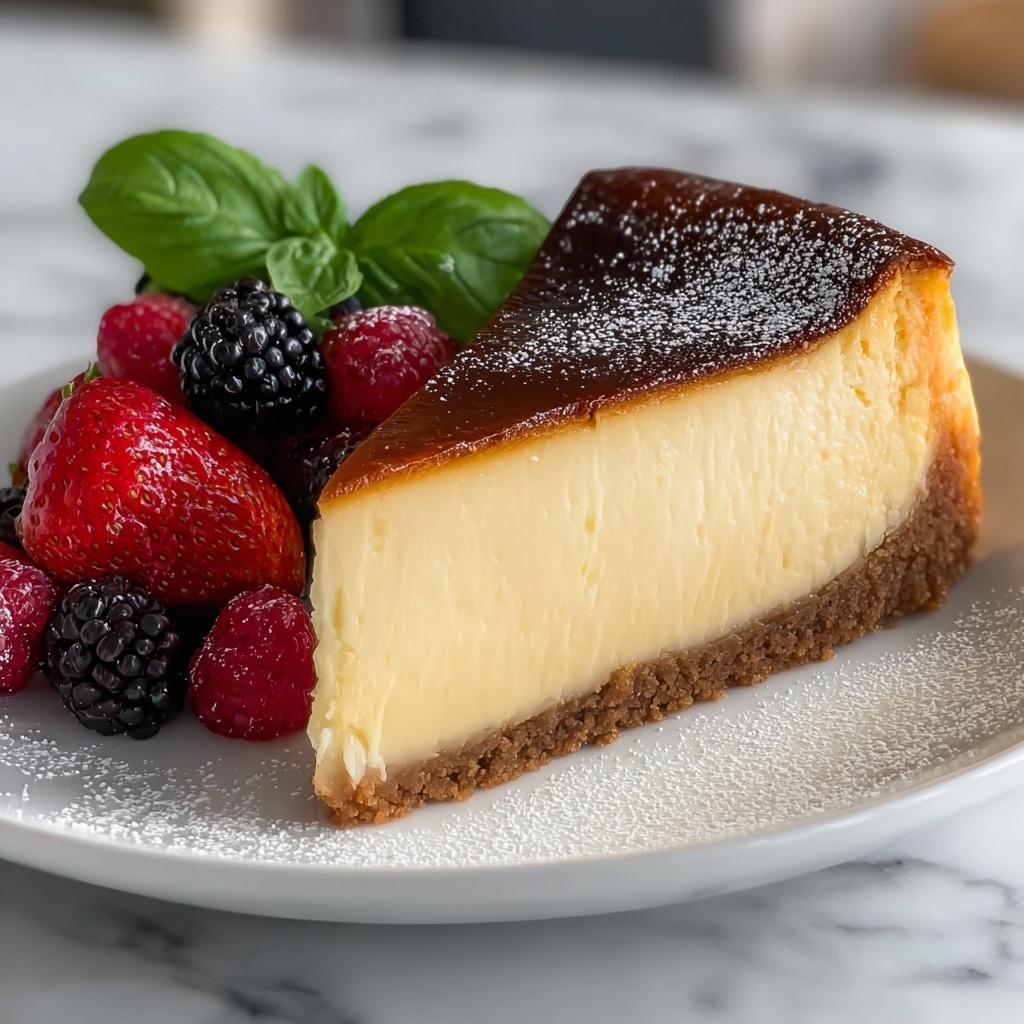
If you’ve never tried a cheesecake quite like this before, get ready to fall in love with the Creamy Burnt Basque Cheesecake Recipe. This dessert is a beautiful rebellion against traditional cheesecakes, boasting a deeply caramelized, almost burnt top that contrasts perfectly with the luxuriously creamy center. Every bite offers a delightful balance of smoky sweetness and silky texture that makes this cheesecake irresistibly unique and memorably decadent. Whether you’re a longtime cheesecake fan or a curious newbie, this recipe promises an experience that’s both comforting and exciting.
Ingredients You’ll Need
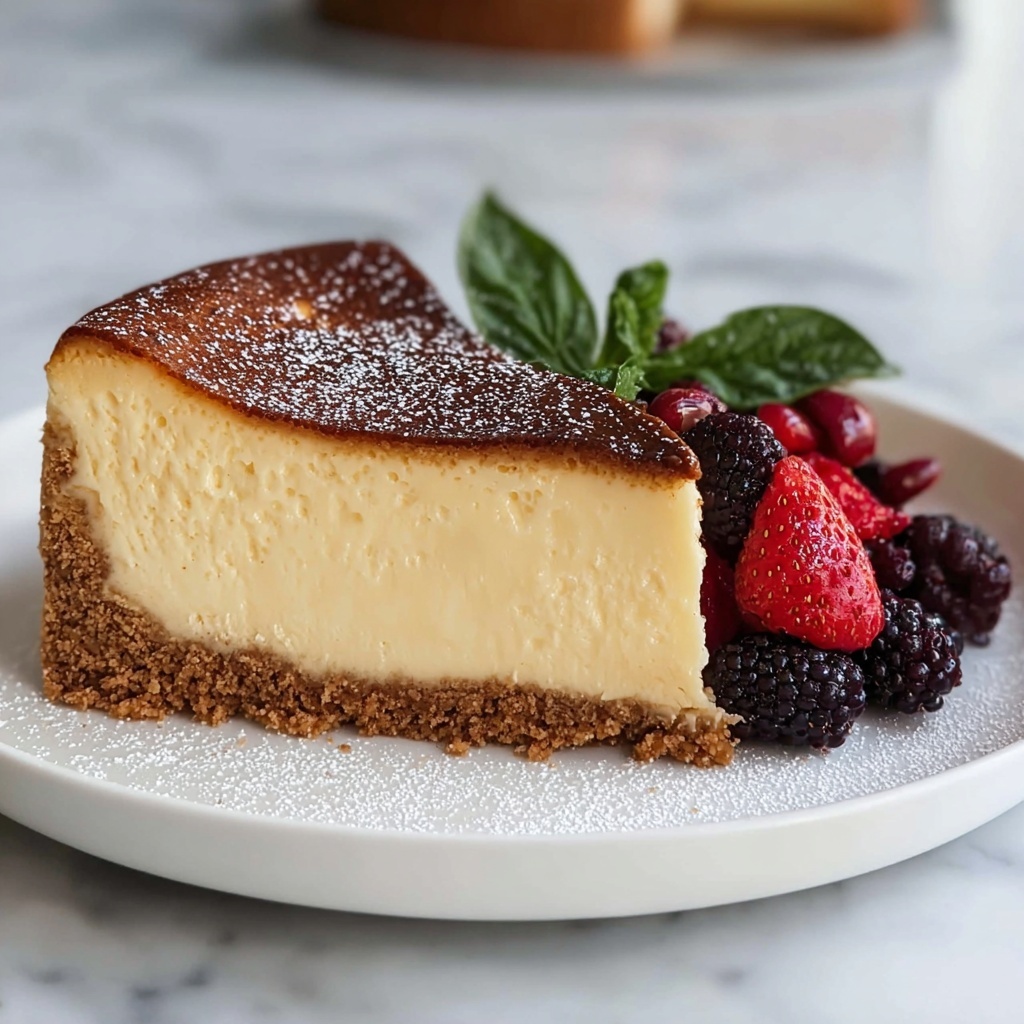
What’s wonderful about this cheesecake is how it comes together with straightforward ingredients you likely already have on hand. Each component plays its part in creating that iconic texture and flavor, from the tangy cream cheese to the touch of vanilla and the rich heavy cream that keeps everything smooth and luscious.
- Cream cheese: Use 2 pounds softened cream cheese for the classic tangy, creamy base that defines this cheesecake.
- Granulated sugar: 1 1/4 cups to sweeten the batter just right without overshadowing the flavor.
- Vanilla extract: 1 teaspoon adds a warm, aromatic depth to the cheesecake.
- Salt: Just 1/4 teaspoon to enhance all the flavors and balance the sweetness.
- Eggs: 6 large eggs to give structure and richness to the creamy filling.
- Heavy cream: 1 cup for that incredibly smooth and velvety mouthfeel.
- All-purpose flour: 1/4 cup to help bind the cheesecake and ensure it sets perfectly.
How to Make Creamy Burnt Basque Cheesecake Recipe
Step 1: Prepare Your Pan and Oven
Start by preheating your oven to a hot 400°F (200°C), which is crucial to achieving that signature burnt top. Line a 9-inch springform pan with parchment paper, making sure it hangs over the sides to easily lift out the cheesecake later. This setup will help your cake bake evenly and allow that gorgeous crust to form.
Step 2: Beat the Cream Cheese Until Smooth
In a large mixing bowl, beat the softened cream cheese until it is totally smooth and free of lumps. This step ensures your cheesecake will have that silky texture that melts in your mouth, so take your time to achieve a creamy base.
Step 3: Mix in Sugar, Vanilla, and Salt
Add the granulated sugar, vanilla extract, and salt to the cream cheese. Mix everything together until well combined, allowing the sugar to dissolve slightly into the cream cheese for a balanced sweetness and depth of flavor.
Step 4: Incorporate the Eggs One at a Time
Add the eggs individually, mixing well after each addition. This method helps keep the batter stable and airy without overmixing, which sets the stage for that delightfully light yet creamy texture.
Step 5: Stir in Heavy Cream and Flour
Gently mix in the heavy cream and flour until your batter is smooth. The cream adds richness and silkiness, while the flour gives the cheesecake the perfect body and keeps it from wobbling too much while baking.
Step 6: Bake Until Beautifully Burnt
Pour your batter into the prepared pan and bake for 50 to 60 minutes. Look for a deeply golden, almost burnt top with a center that still jiggles slightly—that wobble means it’s creamy and not overbaked. This contrast of textures is what truly sets the Creamy Burnt Basque Cheesecake Recipe apart.
Step 7: Cool and Chill
Once baked, remove the cheesecake from the oven and allow it to cool just a bit before placing it in the refrigerator for at least 4 hours, preferably overnight. This resting time lets the flavors meld and the texture set into that perfect, spoonable consistency.
Step 8: Serve and Enjoy
Loosen the cheesecake from the springform pan using the parchment paper edges, slice it up, and get ready to delight in every bite of this gooey, golden masterpiece.
How to Serve Creamy Burnt Basque Cheesecake Recipe
Garnishes
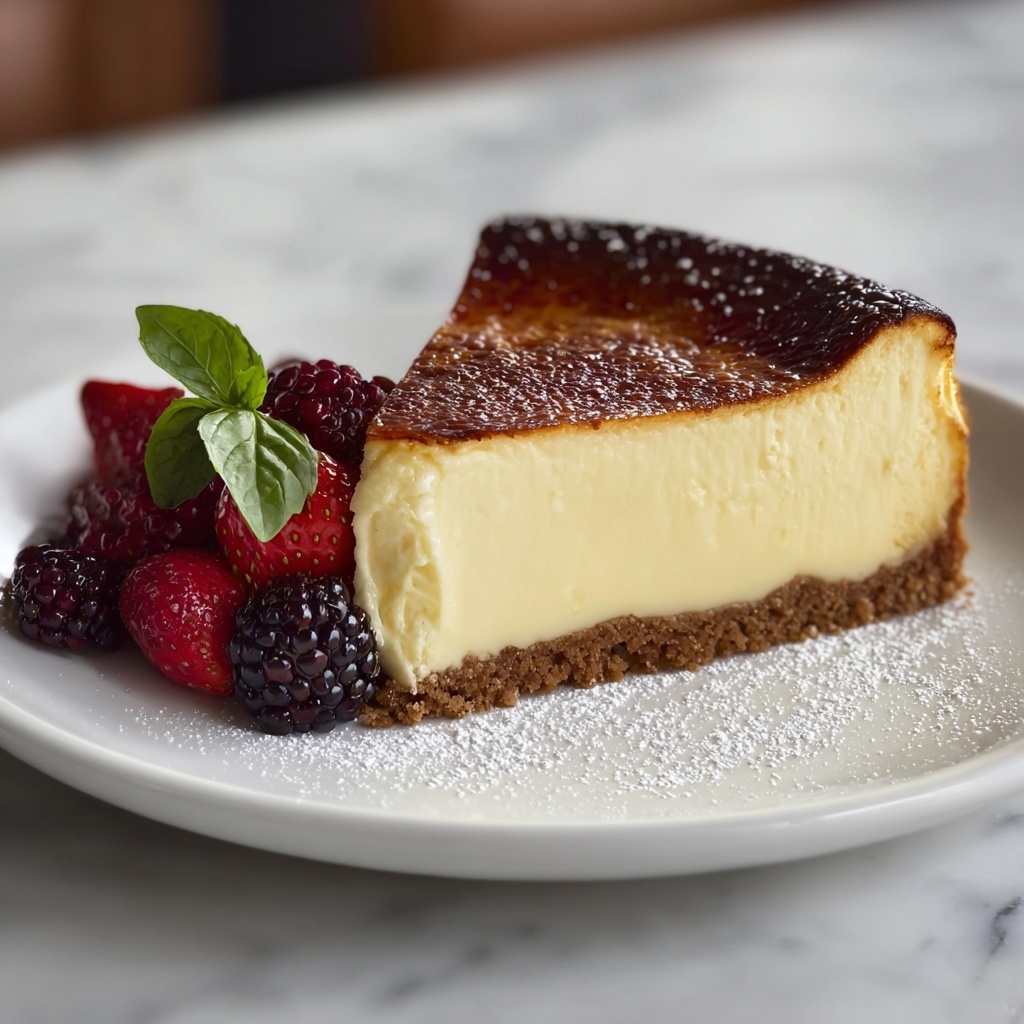
While the cheesecake shines beautifully on its own, a few garnishes can elevate it even further. Fresh berries like raspberries or blackberries add a vibrant tartness that pairs wonderfully with the rich creaminess. A light dusting of powdered sugar or a drizzle of honey brings a delicate touch of sweetness. If you’re feeling fancy, a splash of caramel sauce or a scattering of toasted nuts can add crunch and sophistication.
Side Dishes
This cheesecake makes for an incredible dessert after a hearty meal, and you can complement it with simple sides like a cup of freshly brewed coffee or a glass of dessert wine. For brunch or a lighter pairing, try fresh fruit salad or a scoop of vanilla ice cream to keep the experience fresh and balanced.
Creative Ways to Present
Presentation can truly wow your guests. Try serving your Creamy Burnt Basque Cheesecake Recipe in rustic, mismatched plates for an inviting, homemade vibe, or go for sleek, minimalist dishes to highlight its striking caramelized top. You can also slice it into smaller, individual portions in mini springform pans for an elegant touch at parties or gatherings.
Make Ahead and Storage
Storing Leftovers
This cheesecake keeps well in the refrigerator for up to 5 days. Just cover it tightly with plastic wrap or store in an airtight container to preserve its creamy texture and prevent it from absorbing other fridge odors.
Freezing
If you want to save your Creamy Burnt Basque Cheesecake Recipe for later, you can freeze it. Wrap the cooled cheesecake tightly in plastic wrap and then a layer of foil to avoid freezer burn. It should last up to 2 months frozen. Thaw it overnight in the refrigerator before serving to keep that luscious texture intact.
Reheating
This cheesecake is best enjoyed chilled, but if you prefer it slightly warm, you can reheat individual slices in the microwave for about 15-20 seconds. Be cautious not to overheat it, as that might alter the creamy consistency and make it too soft.
FAQs
What makes the cheesecake “burnt”?
The “burnt” in this cheesecake refers to its deeply caramelized top, created by baking at high heat until the surface turns a rich golden brown with slightly darker spots. This contrast adds a smoky sweetness and unique flavor that balances the creamy inside.
Can I use a regular pan instead of a springform pan?
While a springform pan makes it easier to remove the cheesecake without damaging it, you can use a regular cake pan lined with parchment paper as long as you have enough overhang to lift the cheesecake out comfortably.
Is it necessary to chill the cheesecake overnight?
Chilling overnight is highly recommended because it helps the cheesecake set fully, develops its flavors, and improves the texture, resulting in that perfect creamy consistency on the inside.
Can I substitute the heavy cream with something else?
Heavy cream adds richness and silkiness, but if you need a substitute, full-fat sour cream or crème fraîche can work, though they may slightly alter the flavor and texture.
Why is the cheesecake still jiggly in the center when baked?
The center should remain slightly jiggly to maintain its creamy, custard-like texture. Overbaking will make it dry and dense. The cheesecake firms up as it cools and chills in the refrigerator.
Final Thoughts
I hope you’re as excited to try this Creamy Burnt Basque Cheesecake Recipe as I am to share it with you. It’s a simple recipe that delivers spectacular results every time—rich, creamy, with that one-of-a-kind burnt top that adds so much character. Whether it’s a special occasion or just a day that calls for a little indulgence, this cheesecake will become a fast favorite that you’ll want to make again and again.
Print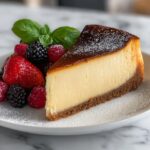
Creamy Burnt Basque Cheesecake Recipe
- Prep Time: 20 minutes
- Cook Time: 50-60 minutes
- Total Time: 5 hours 20 minutes
- Yield: 8 servings
- Category: Dessert
- Method: Baking
- Cuisine: Basque/Spanish
Description
This Creamy Burnt Basque Cheesecake features a decadent, deeply caramelized top with a creamy, custard-like interior. Baked at a high temperature to achieve its signature burnt appearance, this cheesecake is rich, smooth, and irresistibly delicious, perfect for a refined dessert or special occasion.
Ingredients
Cheesecake Batter
- 2 pounds cream cheese, softened
- 1 1/4 cups granulated sugar
- 1 teaspoon vanilla extract
- 1/4 teaspoon salt
- 6 large eggs
- 1 cup heavy cream
- 1/4 cup all-purpose flour
Instructions
- Preheat the Oven: Preheat your oven to 400°F (200°C) to prepare for baking the cheesecake at a high temperature for that signature burnt top.
- Prepare the Pan: Line a 9-inch springform pan with parchment paper, making sure the paper hangs over the sides for easy removal of the cheesecake.
- Beat Cream Cheese: In a large mixing bowl, beat the softened cream cheese until it becomes smooth and creamy, creating the base of your batter.
- Add Sugar, Vanilla, and Salt: Mix in the granulated sugar, vanilla extract, and salt thoroughly, ensuring an even distribution of sweetness and flavor.
- Incorporate Eggs: Add the eggs one at a time, beating well after each addition to maintain a smooth mixture and to help avoid lumps.
- Mix in Cream and Flour: Stir in the heavy cream and all-purpose flour until the batter is fully combined and smooth, which will help the cheesecake set properly during baking.
- Pour Batter into Pan: Transfer the batter into the prepared springform pan, smoothing the top as needed.
- Bake the Cheesecake: Bake in the preheated oven for 50-60 minutes or until the top has a deeply golden, almost burnt appearance, and the center remains slightly jiggly when gently shaken.
- Cool and Chill: Remove the cheesecake from the oven and let it cool slightly at room temperature. Then refrigerate for at least 4 hours or overnight to allow the cheesecake to set and develop its creamy texture.
- Serve: Carefully remove the cheesecake from the springform pan using the parchment paper overhang, slice, and serve chilled for the best flavor and texture.
Notes
- For best results, ensure the cream cheese is fully softened before mixing to avoid lumps.
- Do not overbake; the center should be jiggly when you remove it from the oven to maintain creaminess.
- Refrigeration is key to help the cheesecake firm up and enhance the flavors.
- Use a high-quality cream cheese for a richer flavor and smoother texture.
- Let the cheesecake come to room temperature for about 10-15 minutes before serving if you prefer a softer texture.