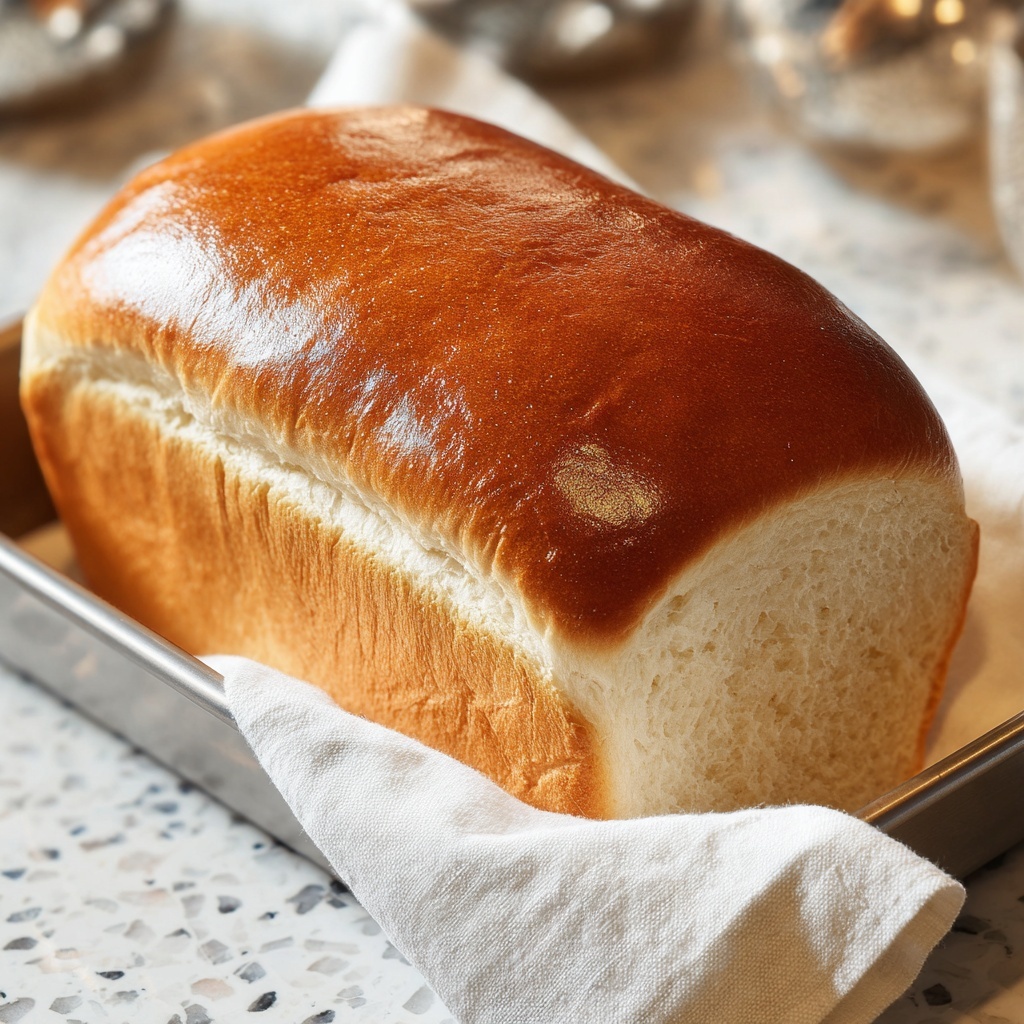
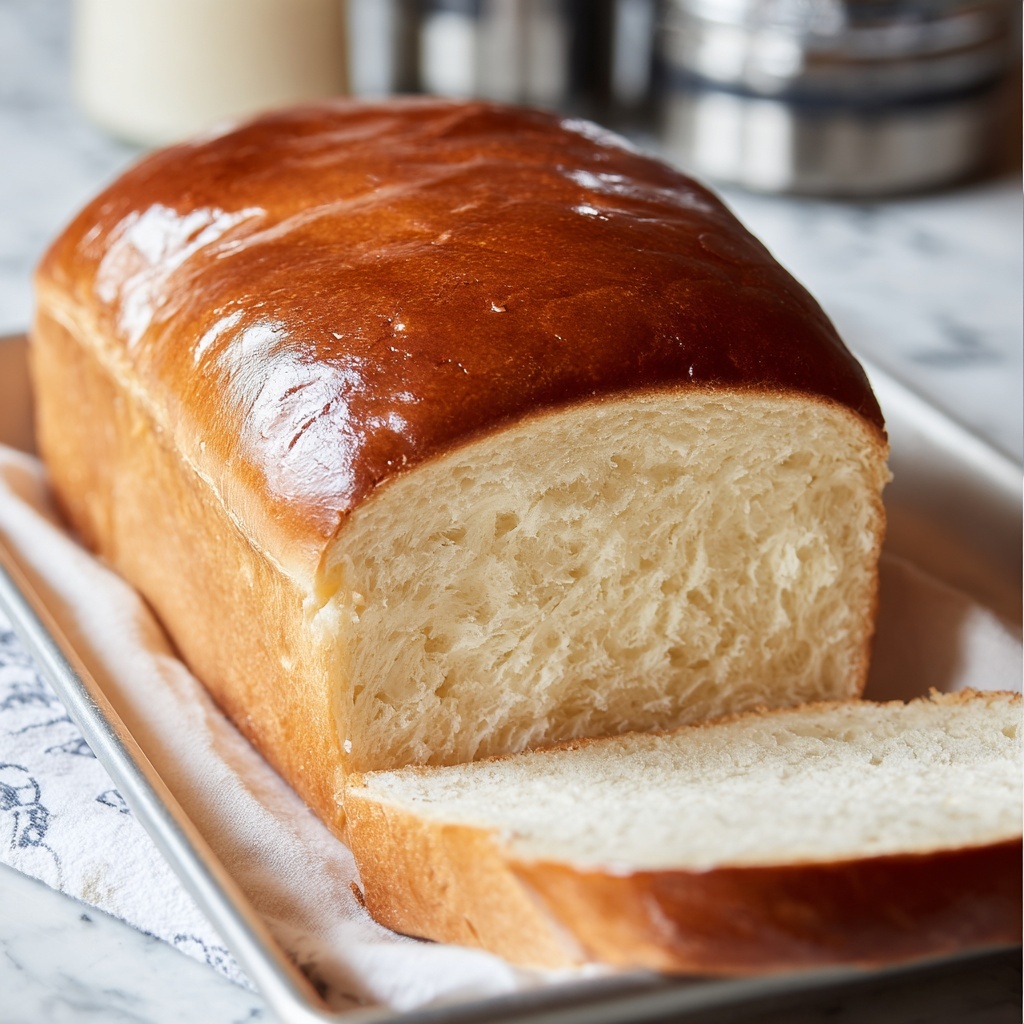
If you have been searching for that perfect, soft, and slightly sweet loaf to brighten any breakfast or sandwich, this Amish White Bread Recipe is exactly what you need. Bursting with old-fashioned charm and simplicity, this bread combines classic ingredients with just the right techniques to create a loaf that feels homemade in the best way possible. Whether you are an experienced baker or just starting out, this recipe invites you into a warm kitchen experience where patience and love rise alongside the dough, delivering a loaf that is as comforting as a hug from a dear friend.
Ingredients You’ll Need
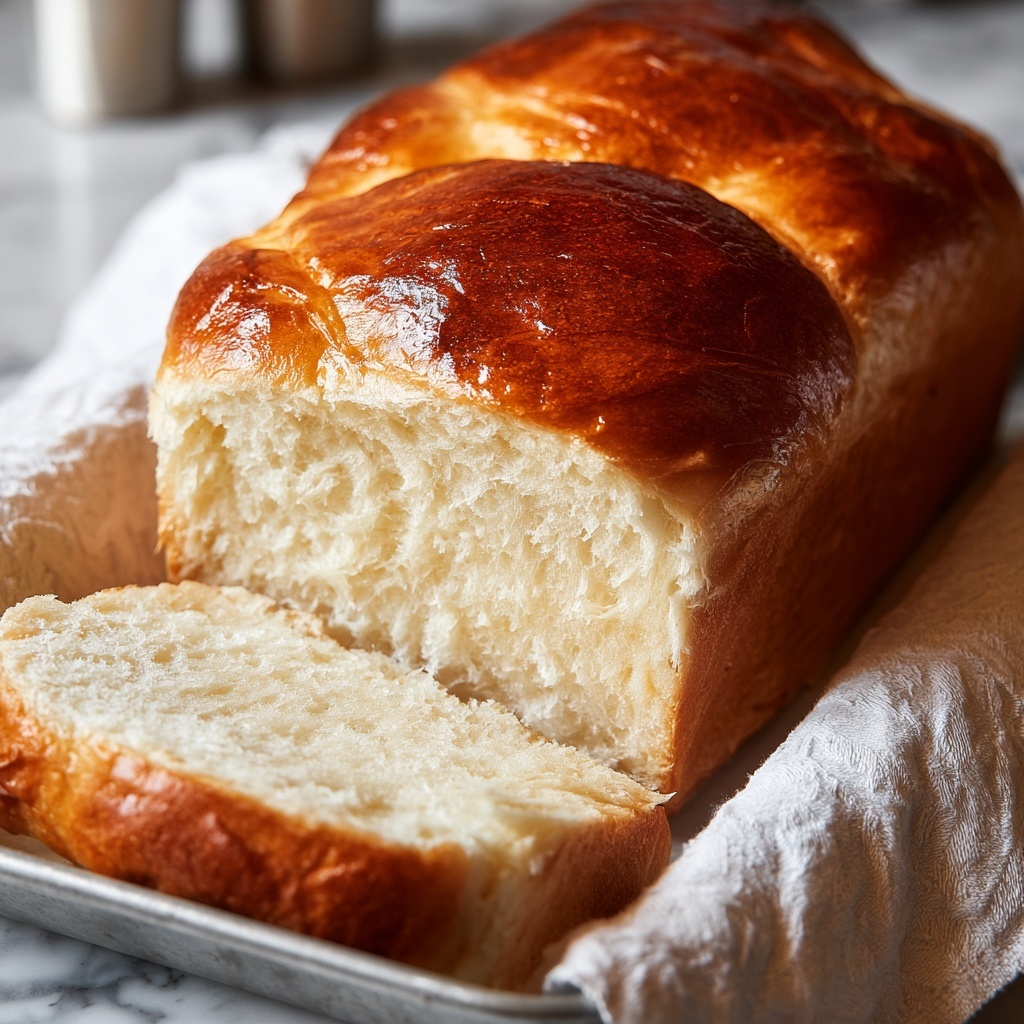
The beauty of this Amish White Bread Recipe lies in its simplicity. Just a handful of pantry staples come together to create a soft, golden loaf with a tender crumb and rich flavor. Each ingredient has a purpose, from the yeast that brings the dough to life to the vegetable oil that keeps the texture moist and inviting.
- 1 cup warm water (110°F/45°C): This temperature wakes up the yeast to start the fermentation process for a perfect rise.
- 1/3 cup white sugar: Adds a touch of sweetness and helps feed the yeast for a light, airy texture.
- 2 1/4 teaspoons (1 packet) active dry yeast: The magic agent that makes your bread rise beautifully and develop flavor.
- 1/4 cup vegetable oil: Keeps the bread tender and soft, extending its freshness.
- 1 1/2 teaspoons salt: Balances the sweetness and strengthens the dough for structure.
- 3 cups all-purpose flour: The foundation of your loaf, providing that soft and slightly chewy bite.
How to Make Amish White Bread Recipe
Step 1: Activate the yeast
Begin by dissolving the white sugar in warm water. This creates the perfect welcoming environment for the yeast. Sprinkle the yeast on top of the water and sugar mixture without stirring, then let it sit for 5 to 10 minutes until it becomes frothy and alive. This foamy layer shows the yeast is active and ready to work its magic.
Step 2: Combine ingredients to form dough
Once the yeast is foamy, stir in the vegetable oil and salt. Adding oil at this stage ensures a soft, moist crumb. Gradually mix in the flour, one cup at a time, stirring until the mixture starts coming together. The dough should be soft but manageable, not sticky or dry.
Step 3: Knead to perfection
Lightly flour a clean surface and knead your dough for 6 to 8 minutes. This step is the key to a smooth, elastic dough that will rise well and create a tender bread. You’ll feel the dough change texture under your hands as the gluten develops, turning it into a cohesive ball that springs back when pressed.
Step 4: Let the dough rise
Place the dough in a greased bowl and turn it to coat all sides with oil. Cover with a clean towel or plastic wrap and set it in a warm spot. This hour-long rise will double the dough in size, filling your kitchen with a subtle, yeasty aroma.
Step 5: Shape and let rise again
After the dough has risen, punch it down gently to release gas bubbles. Shape it into a loaf and transfer it to a greased 9×5-inch loaf pan. Let it rise once more for 30 minutes until it slightly surpasses the pan’s edge. This second rise is crucial for lightness and the signature Amish White Bread texture.
Step 6: Bake to golden perfection
Preheat your oven to 350°F (175°C). Bake the bread for 30 to 35 minutes until it develops a golden-brown crust that sounds hollow when tapped on the bottom. This auditory test lets you know the loaf is perfectly baked and ready to enjoy.
Step 7: Cooling and final touches
Remove the bread from the oven and allow it to cool for about 5 minutes in the pan. Then gently transfer it to a wire rack to cool completely. Letting the loaf cool ensures that the crumb sets properly and slices beautifully without squishing.
How to Serve Amish White Bread Recipe
Garnishes
This Amish White Bread is subtle enough to pair beautifully with a variety of garnishes. A swipe of butter or a sprinkling of cinnamon sugar works wonders on warm slices, while a thick spread of honey or homemade jam can turn it into a sweet, satisfying snack.
Side Dishes
The neutral yet flavorful profile of this bread makes it an ideal companion for hearty soups, vibrant salads, and rich stews. It’s perfect for soaking up broths or providing a soft bite alongside robust cheeses and cold cuts.
Creative Ways to Present
Take your Amish White Bread beyond the basics by turning slices into croutons, French toast, or even bread pudding. Toasted with melted cheese and herbs for a savory twist or frosted with your favorite cream cheese spread, this bread is as versatile as your imagination.
Make Ahead and Storage
Storing Leftovers
Once completely cooled, store your homemade Amish White Bread in a bread box or wrapped loosely in a clean kitchen towel. It will stay fresh and soft for up to two days at room temperature, perfect for everyday enjoyment without drying out.
Freezing
For longer storage, slice the bread and freeze slices in resealable bags. This allows you to pull out just the amount you need without thawing the whole loaf. Properly stored, frozen bread retains its quality for up to three months.
Reheating
To refresh the bread, toast slices lightly or warm them briefly in the oven. This revives the crust’s slight crispness while keeping the inside tender and inviting, just like fresh from the oven.
FAQs
Can I use whole wheat flour instead of all-purpose flour?
Whole wheat flour can be substituted, but since it has a denser texture and absorbs more liquid, you might want to replace only part of the flour and slightly increase the water. This will maintain the softness characteristic of Amish White Bread.
How can I tell if my yeast is still good?
Mix your yeast with warm water and a pinch of sugar and wait about 10 minutes. If the mixture becomes frothy and bubbly, your yeast is active. If nothing happens, it’s time to use fresh yeast.
What if my dough doesn’t rise well?
Make sure your water is the right temperature—not too hot or cold—to keep the yeast happy. Also, rising in a warm, draft-free spot is important. If it’s too cold, the dough may need more time.
Can I make this recipe without vegetable oil?
Yes, you can substitute melted butter or another mild oil, but vegetable oil provides a neutral flavor and helps keep the crumb wonderfully soft, making it ideal for this recipe.
Is this bread suitable for sandwiches?
Absolutely! Amish White Bread’s soft texture and slightly sweet flavor make it perfect for sandwiches, whether simple peanut butter or loaded deli-style creations.
Final Thoughts
This Amish White Bread Recipe is a true testament to the beauty of simple, wholesome ingredients coming together through a little time and care. It’s a loaf that smiles back at you from the kitchen shelf, ready to elevate your meals with its soft crumb and warm flavor. I encourage you to give this recipe a try and experience the joy of homemade bread that tastes like a cherished family secret.
Print
Amish White Bread Recipe
- Prep Time: 15 minutes
- Cook Time: 30-35 minutes
- Total Time: 2 hours 15 minutes
- Yield: 12 servings (1 loaf)
- Category: Bread
- Method: Baking
- Cuisine: American
Description
This traditional Amish White Bread recipe yields a soft, slightly sweet loaf with a tender crumb and golden crust. Perfect for sandwiches or toast, it combines simple ingredients and classic bread-making techniques to create a homemade loaf that’s both comforting and versatile.
Ingredients
Ingredients
- 1 cup warm water (110°F/45°C)
- 1/3 cup white sugar
- 2 1/4 teaspoons (1 packet) active dry yeast
- 1/4 cup vegetable oil
- 1 1/2 teaspoons salt
- 3 cups all-purpose flour
Instructions
- Activate the Yeast: Dissolve the sugar in warm water in a large bowl. Sprinkle the active dry yeast over the surface and let it sit for 5–10 minutes, or until the mixture becomes frothy, indicating the yeast is active.
- Mix the Dough: Stir in the vegetable oil and salt. Gradually add the all-purpose flour, one cup at a time, mixing continuously until a soft, pliable dough begins to form.
- Knead the Dough: Transfer the dough to a lightly floured surface. Knead vigorously for 6 to 8 minutes until the dough becomes smooth and elastic, which develops the gluten for a good bread structure.
- First Rise: Place the kneaded dough into a greased bowl, turning it to coat all sides with oil. Cover tightly and let it rise in a warm, draft-free area for about 1 hour, or until it doubles in size.
- Shape the Loaf: Punch down the risen dough to release excess air. Shape it into a loaf and place it into a greased 9×5-inch loaf pan. Allow it to rise again for 30 minutes, or until the dough gently rises slightly above the rim of the pan.
- Bake: Preheat your oven to 350°F (175°C). Bake the loaf for 30 to 35 minutes, or until the bread turns a golden brown and sounds hollow when tapped on the bottom.
- Cool: Remove the bread from the oven and let it cool for 5 minutes in the pan. Then transfer it to a wire rack to cool completely before slicing.
Notes
- Make sure your water temperature is warm but not hot, to avoid killing the yeast.
- Kneading is essential to develop gluten—don’t skim on this step.
- Allowing the dough to rise fully will improve bread texture and flavor.
- If you prefer a sweeter bread, you can increase sugar slightly.
- Use a thermometer to check bread internal temperature — it should be around 190°F when fully baked.