Description
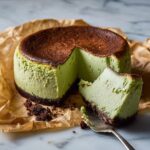
This Burnt Matcha Cheesecake combines the rich creaminess of classic cheesecake with the unique, earthy flavor of matcha green tea. Featuring a beautifully burnt amber top and a luscious, jiggle-center texture, this Japanese-inspired dessert can be served warm or chilled for a firmer bite. The recipe is perfect for matcha lovers seeking a sophisticated yet comforting treat, baked to perfection using a conventional or convection oven.
Ingredients
Scale
Cheesecake Batter
- ½ lb cream cheese (at room temperature)
- ½ cup sugar
- 2 large eggs (50 g each without shell, at room temperature)
- 1 large egg yolk (at room temperature)
- 1 Tbsp matcha powder (ceremonial or culinary grade) or 1 Tbsp lemon juice for classic version
- 4 tsp cake flour (or all-purpose flour; use rice flour for gluten-free)
- 2 tsp cornstarch (or all-purpose flour)
- 220 ml heavy (whipping) cream (1 cup minus 4 tsp; at room temperature)
- ⅛ tsp Diamond Crystal kosher salt
Instructions
- Before You Start: Allow the cheesecake to cool for 2–3 hours after baking. It can be served at room temperature or chilled further in the fridge for 4 hours for a firmer texture.
- Preheat the Oven: Preheat a convection oven with fan to 450ºF (230ºC). If using a conventional oven, preheat to 475ºF (245ºC). For ovens with uneven heat, preheat at the highest temperature (up to 550ºF or 290ºC) for 30–60 minutes, then reduce to target temperature. Place the rack in the middle for convection ovens or slightly higher for conventional ovens.
- Prepare the Cake Pan: Use a 6-inch round cake pan. Cut two rectangular sheets of parchment paper with 2-inch overhang, crisscross and fold. Mold the parchment inside the pan snugly, including bottom and sides, then remove and replace with the removable bottom in place.
- Blend the Cream Cheese Mixture: Ensure cream cheese is room temperature; warm briefly if needed. Press cream cheese with spatula to soften, add sugar and rub against bowl sides until fluffy and sugar dissolves. Whisk eggs and yolk in a separate bowl thoroughly.
- Incorporate Eggs: Gradually add eggs in thirds to cream cheese mixture, blending fully and ensuring a smooth lump-free batter before each addition.
- Add Matcha (Optional): Transfer about two scoops of batter to a clean bowl. Sift 1 Tbsp matcha powder into batter gradually, stirring to avoid lumps and form a smooth thick matcha batter. Loosen with one more scoop of main batter, then blend back into main batter thoroughly.
- Finish the Batter: Sift cake flour and cornstarch together and add gradually while stirring to avoid lumps. Slowly add heavy cream while mixing until combined. Add kosher salt and blend all ingredients smoothly.
- Pour Batter and Remove Air Bubbles: Pour batter into prepared pan continuously to avoid air pockets. Tap the pan on the countertop several times and use a bamboo skewer or toothpick to pop any air bubbles visible in the batter.
- Bake the Cheesecake: Place pan on a baking sheet to catch overflow. Bake in preheated oven at 450ºF for convection or 475ºF for conventional ovens for about 30 minutes until the top is dark amber to burnt brown with a jiggly center. Watch closely to prevent curdling.
- Cool the Cheesecake: Remove from oven when surface is dark/burnt and center gently wobbles. Cool in pan on wire rack with air circulation underneath for 2–3 hours until room temperature.
- Chill (Optional): Cover cheesecake in pan with a tea towel and refrigerate for 4 hours for firmer texture. Avoid plastic covers to prevent condensation dripping onto cake.
- Serve: Remove cake from pan, carefully peel back parchment paper. If chilled, allow cake to rest at room temperature for 30 minutes to 2 hours before serving for best texture.
- Store: Refrigerate leftovers for up to 3 days.
Notes
- Use room temperature ingredients for the smoothest batter.
- Matcha powder can be substituted with lemon juice for a classic burnt cheesecake flavor.
- Ensure to pop air bubbles after pouring batter to avoid holes in the cake.
- Baking time and temperature may vary by oven; watch the cake closely to avoid overbaking or curdling.
- Cooling and chilling improve cheesecake texture; choose serving temperature based on preference.
- Use parchment with overhang to easily remove cheesecake from pan.