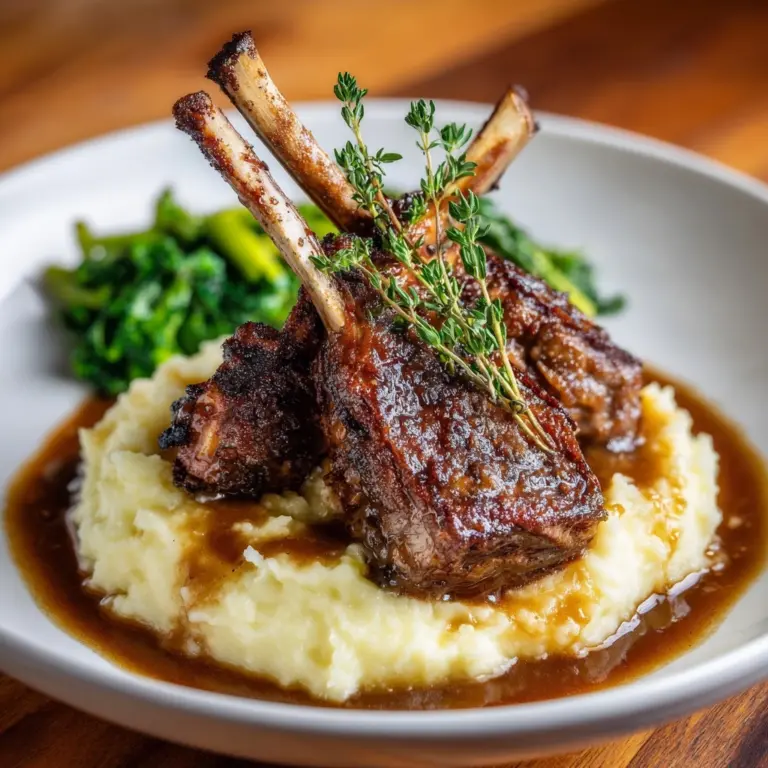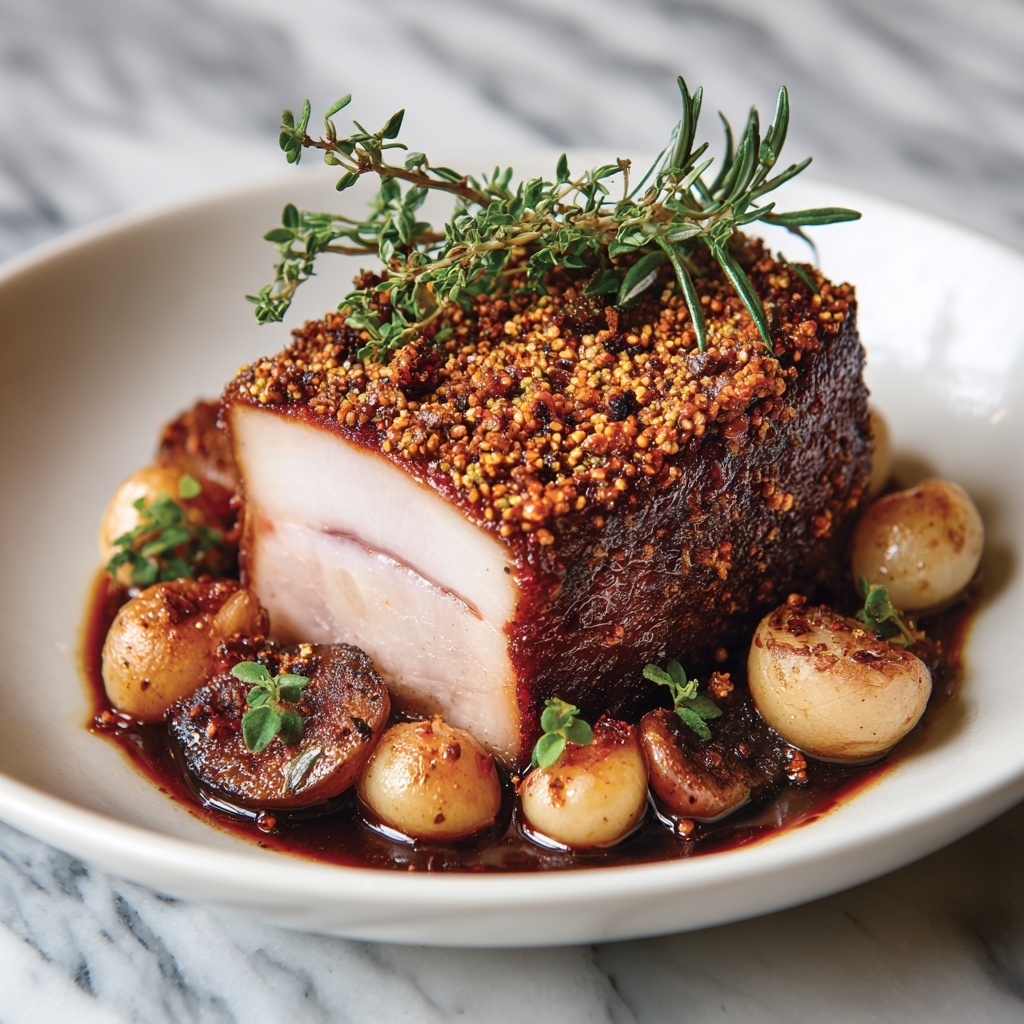
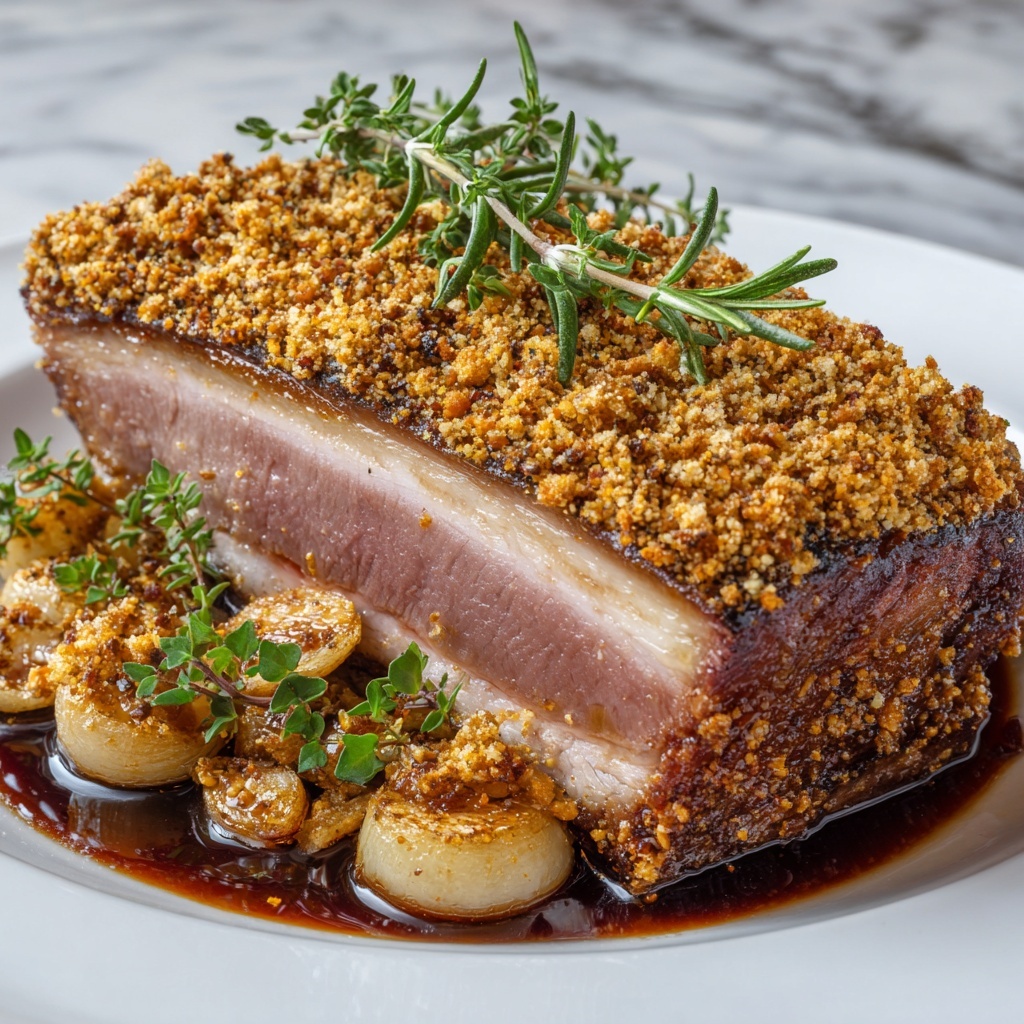
If you’ve been searching for that show-stopping centerpiece to elevate your next meal, you’ve just found it with the Herb-Crusted Roasted Lamb at Home Recipe. This dish combines the perfect harmony of fresh herbs, garlic, and a touch of lemon zest to create a crust that locks in irresistible flavors and tender juiciness. Whether it’s a holiday feast or a special weekend dinner, preparing this succulent leg of lamb yourself means you get the pride and satisfaction of serving a dish that looks and tastes like it belongs in a five-star restaurant, all from your own kitchen.
Ingredients You’ll Need
These ingredients are delightfully straightforward yet bring a world of flavor to the table. Each one plays a crucial role, from the fragrant herbs that create the unforgettable crust to the wine that adds moisture and subtle complexity throughout the roasting process.
- Bone-in leg of lamb (5 to 6 pounds): Choose a well-trimmed cut for the perfect balance of meat and fat, essential for juicy roasting.
- Garlic (4 cloves, minced): Adds pungency and depth that melds beautifully with the herbs.
- Fresh rosemary (2 tablespoons, finely chopped): Offers piney, aromatic notes that scream traditional Mediterranean fare.
- Fresh thyme leaves (1 tablespoon): Brings a subtle earthiness, complementing the rosemary perfectly.
- Dijon mustard (1 tablespoon): Acts as the adhesive for the herb paste and lends tangy complexity.
- Kosher salt (2 teaspoons): Essential for seasoning that brings all the flavors to life.
- Freshly ground black pepper (1 teaspoon): Adds a gentle warmth and sharp edge to the crust.
- Olive oil (3 tablespoons): Helps to bind the herb mixture and ensures a beautifully crisp crust.
- Lemon zest (1 tablespoon): Injects a fresh, bright note that lifts the richness of the lamb.
- Dry white wine or chicken broth (1 cup): Used to keep the roast moist and to enrich the pan juices, perfect for basting.
How to Make Herb-Crusted Roasted Lamb at Home Recipe
Step 1: Prepare the Herb Mixture
Begin by combining the minced garlic, finely chopped rosemary, thyme, Dijon mustard, kosher salt, black pepper, olive oil, and lemon zest in a small bowl. Stir these together until a thick, aromatic paste forms. This herb paste is your magic ticket to locking in flavor and creating that signature herb-crusted finish.
Step 2: Coat the Lamb
Pat the leg of lamb dry with paper towels to ensure the herb mixture sticks well. Rub the herb paste all over the lamb, pressing firmly so that every nook and cranny is coated evenly. This step not only flavors the meat but helps develop a satisfying crust as it roasts.
Step 3: Preheat Oven and Prepare for Roasting
Set your oven to 425°F (220°C). Place the coated lamb fat side up on a rack set inside a roasting pan. Pour the white wine or chicken broth into the bottom of the pan. This liquid creates a moist environment, preventing drying and enhancing the natural juices during roasting.
Step 4: Roast the Lamb
Roast the lamb at 425°F for the first 20 minutes. This high heat jump-starts that delicious crust formation. Then, reduce the oven temperature to 350°F (175°C) and continue roasting for about 1 to 1½ hours. Use a meat thermometer to check internal temperature: 135°F (57°C) for medium-rare or 145°F (63°C) for medium doneness. If you like, baste occasionally with the pan juices to keep the surface luscious.
Step 5: Rest and Serve
Once your lamb reaches the desired doneness, remove it from the oven and tent loosely with foil. Let it rest for 15 to 20 minutes before slicing. This resting allows the juices to redistribute, ensuring each slice stays tender and juicy. Pour any pan juices over the sliced lamb for an extra flavor boost.
How to Serve Herb-Crusted Roasted Lamb at Home Recipe
Garnishes
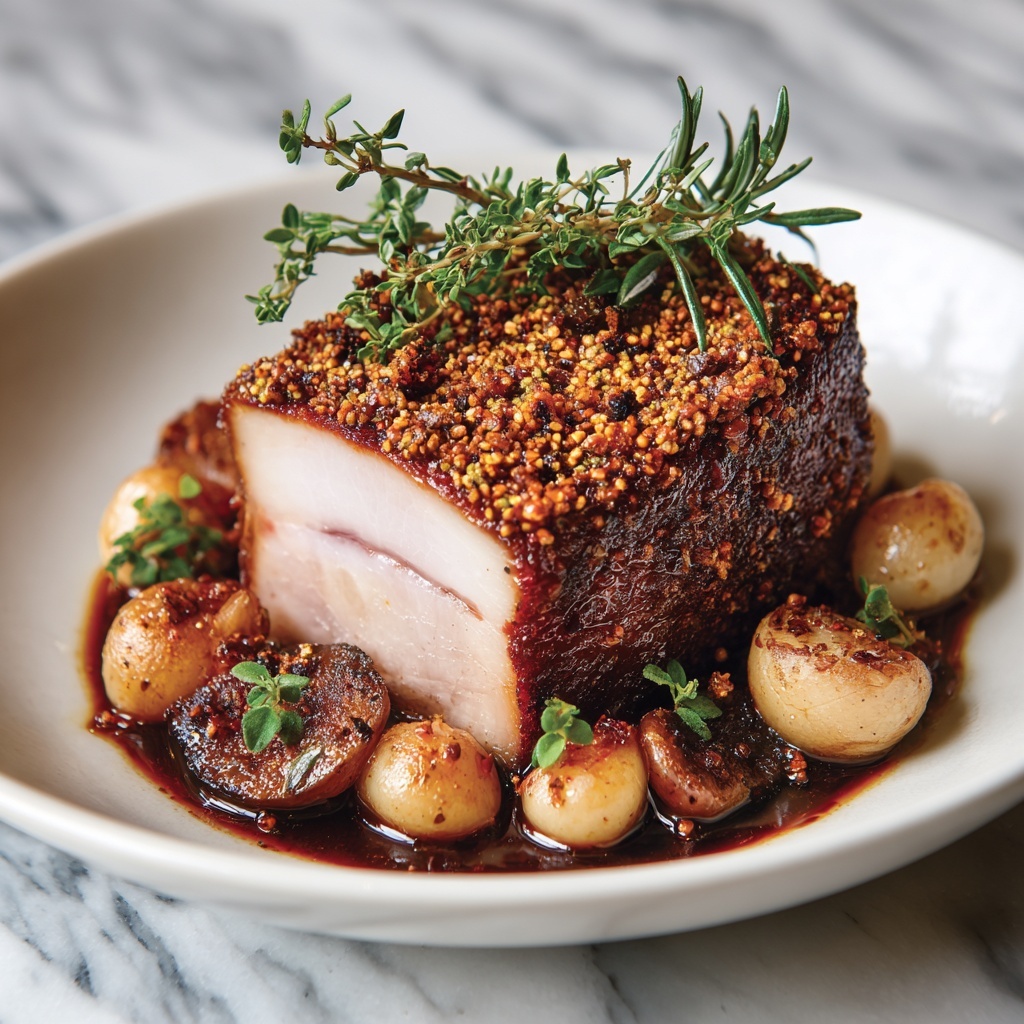
A sprinkle of freshly chopped rosemary or thyme on top adds a fresh herbal aroma and makes your presentation pop. A few lemon wedges on the side invite guests to squeeze brightness over their slices, enhancing the natural flavors even more.
Side Dishes
This Herb-Crusted Roasted Lamb at Home Recipe pairs gloriously with roasted vegetables such as carrots, potatoes, and Brussels sprouts, which soak up some of the divine pan juices. A simple green salad with a tangy vinaigrette offers a crisp contrast that keeps the meal balanced and exciting.
Creative Ways to Present
Consider carving the lamb tableside for a bit of theater that your guests will love. Serve slices on a wooden cutting board surrounded by fresh herbs and warmed pita or crusty bread to scoop up the flavorful juices. For a twist, serve it atop a bed of creamy mashed potatoes or polenta, turning this classic into a comforting feast.
Make Ahead and Storage
Storing Leftovers
Once cooled, carefully wrap leftover lamb slices in aluminum foil or airtight containers. Stored in the refrigerator, the lamb will remain flavorful and tender for up to 3 days, making it perfect for next-day sandwiches or salads.
Freezing
If you want to keep leftovers longer, freeze cooked lamb slices in airtight bags or containers. For best texture, consume within 2 months. Thaw overnight in the refrigerator before reheating to maintain the integrity of the meat.
Reheating
Gently reheat lamb slices covered with foil in a 300°F oven until warmed through to avoid drying out the meat. Alternatively, warm them in a skillet with a splash of broth or pan juices over low heat. This method preserves the moistness and keeps the herb crust intact.
FAQs
Can I use dried herbs instead of fresh in this recipe?
Absolutely! If fresh rosemary and thyme are unavailable, substitute 1 teaspoon dried rosemary and ½ teaspoon dried thyme. Keep in mind dried herbs have a more concentrated flavor, so adjust quantities accordingly to avoid overpowering the meat.
How do I know when the lamb is perfectly cooked?
The best way is to use a meat thermometer. For medium-rare, aim for an internal temperature of 135°F (57°C), and for medium, 145°F (63°C). Remember the lamb will continue cooking slightly while resting, so remove it just before reaching your target temperature.
Can I prepare the herb paste in advance?
Yes! The herb paste can be made up to a day ahead and stored wrapped tightly in the refrigerator. This makes the preparation quicker on the day you roast the lamb and even allows the flavors to meld together beautifully.
Is this recipe suitable for special occasions?
Definitely. The Herb-Crusted Roasted Lamb at Home Recipe offers an elegant yet approachable centerpiece perfect for holiday dinners, Easter celebrations, or any time you want to impress family and friends with a dish that tastes like a gourmet treat.
What can I serve if I want gluten-free sides?
This roasted lamb shines alongside naturally gluten-free options like roasted potatoes, quinoa salad, grilled asparagus, or a fresh tomato and cucumber salad. All these sides keep your meal delicious and safe for gluten-sensitive guests.
Final Thoughts
There’s something truly special about preparing the Herb-Crusted Roasted Lamb at Home Recipe and sharing it with loved ones. It’s a simple yet stunning dish that celebrates fresh herbs, rich flavors, and the warmth of home cooking. I promise once you try it, this lamb roast will become your go-to recipe whenever you want to turn an ordinary dinner into an extraordinary memory. Give it a try—you won’t regret it!
Print
Herb-Crusted Roasted Lamb at Home Recipe
- Prep Time: 20 minutes
- Cook Time: 1 hour 30 minutes
- Total Time: 1 hour 50 minutes
- Yield: 8 servings
- Category: Main Course
- Method: Roasting
- Cuisine: Mediterranean
- Diet: Gluten Free
Description
This Herb-Crusted Roasted Lamb recipe offers a flavorful and tender leg of lamb perfectly crusted with fresh herbs and garlic. Roasted to medium-rare or medium doneness, it’s ideal for special occasions or holiday meals, delivering a succulent and aromatic centerpiece that pairs beautifully with roasted vegetables or a simple salad.
Ingredients
Meat
- 1 (5 to 6-pound) bone-in leg of lamb, trimmed and patted dry
Herb Paste
- 4 cloves garlic, minced
- 2 tablespoons fresh rosemary, finely chopped
- 1 tablespoon fresh thyme leaves
- 1 tablespoon Dijon mustard
- 2 teaspoons kosher salt
- 1 teaspoon freshly ground black pepper
- 3 tablespoons olive oil
- 1 tablespoon lemon zest
Roasting Liquid
- 1 cup dry white wine or chicken broth
Instructions
- Preheat the oven: Set your oven to 425°F (220°C) to ensure it reaches the perfect temperature for an initial high-heat roast that will start the cooking process and develop a flavorful crust.
- Prepare herb paste: In a small bowl, combine the minced garlic, chopped rosemary, fresh thyme leaves, Dijon mustard, kosher salt, black pepper, olive oil, and lemon zest. Mix thoroughly until a thick paste forms to coat the lamb evenly with fragrant herbs and spices.
- Coat the lamb: Rub the herb paste all over the leg of lamb, pressing it into the meat to help the flavors adhere and penetrate during roasting for maximum taste.
- Set up for roasting: Place the coated lamb on a rack inside a roasting pan with the fat side facing up. Pour the white wine or chicken broth into the bottom of the pan to keep the lamb moist and add subtle flavor while cooking.
- Initial roasting: Roast the lamb at 425°F (220°C) for 20 minutes to develop a delicious herb crust and start rendering the fat.
- Reduce temperature and continue roasting: Lower the oven temperature to 350°F (175°C) and roast the lamb for an additional 1 to 1½ hours. Check for doneness by measuring the internal temperature: 135°F (57°C) for medium-rare or 145°F (63°C) for medium. Baste occasionally with pan juices to keep the meat moist.
- Rest the lamb: Once cooked to your preferred temperature, remove the lamb from the oven. Tent it loosely with foil and let it rest for 15 to 20 minutes; this allows the juices to redistribute, ensuring moist and tender slices.
- Serve: Slice the rested lamb and serve warm, spooning some of the pan juices over the top for added flavor.
Notes
- If fresh herbs are unavailable, substitute with 1 teaspoon dried rosemary and ½ teaspoon dried thyme for similar flavor.
- This roast pairs excellently with roasted vegetables like carrots, potatoes, or a simple mixed green salad for a balanced meal.
- For easier carving, consider asking your butcher to partially debone the leg of lamb before cooking.