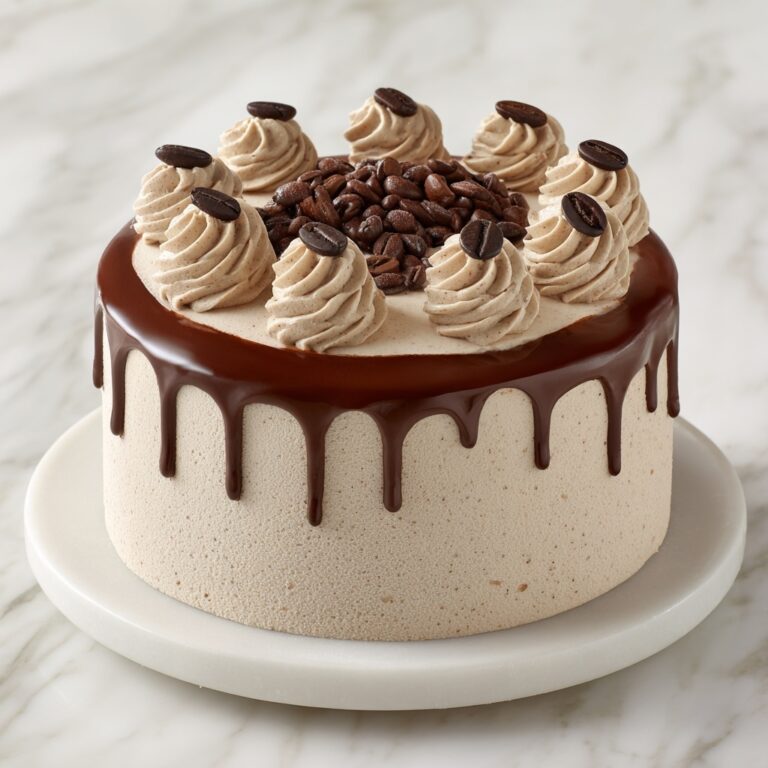
If you are on the lookout for a bright, moist dessert that somehow manages to feel both indulgent and light, then this Lemon Olive Oil Cake Recipe is exactly what you need. It beautifully balances the zesty freshness of lemons with the subtle richness of olive oil, resulting in a cake that is tender, flavorful, and utterly satisfying. Whether you’re baking for a special occasion or craving a sweet pick-me-up, this cake effortlessly becomes a fast favorite thanks to its simple ingredients and straightforward method.

Ingredients You’ll Need
The magic behind this Lemon Olive Oil Cake Recipe lies in a handful of simple yet essential ingredients. Each one plays a crucial role in shaping the cake’s delicate crumb, moist texture, and vibrant lemon flavor. Let’s take a look at what goes into this delightful treat:
- 1 1/2 cups all-purpose flour: The foundation that gives structure to the cake without weighing it down.
- 1 1/2 tsp baking powder: Ensures the cake rises nicely, creating a fluffy, airy texture.
- 1/4 tsp salt: Balances the sweetness and enhances the other flavors.
- 1/2 cup extra virgin olive oil: Adds moisture and a subtle fruity richness unique to this cake.
- 1 cup granulated sugar: Sweetens the cake perfectly without overpowering the lemon zest.
- 2 large eggs: Bind everything together and give the cake its tender crumb.
- 1/2 cup whole milk (or buttermilk): Adds a bit of creaminess that complements the olive oil.
- Zest of 2 lemons: Packed with fragrant oils, this is where the cake gets its vibrant citrus punch.
- 1/4 cup fresh lemon juice: Brightens the cake with a fresh, tangy lift.
- 1 tsp vanilla extract: Rounds out and deepens the flavor for a truly balanced bite.
- 1/2 cup powdered sugar: For the optional glaze, adding a glossy, sweet finish.
- 2 tbsp fresh lemon juice (for glaze): Keeps the glaze fresh and lively with just the right amount of tartness.
How to Make Lemon Olive Oil Cake Recipe
Step 1: Preheat and Prepare Your Pan
First things first, set your oven to 350°F (175°C). This temperature is ideal for baking the cake evenly while allowing it to develop that lovely golden crust. Remember to grease and flour a 9-inch round cake pan or line it with parchment paper to ensure the cake releases without a hitch.
Step 2: Mix the Dry Ingredients
Before working with your wet ingredients, combine all the dry ones—flour, baking powder, and salt—in a medium bowl. Whisk them together so everything is evenly distributed. This step is key to a uniform rise and perfect texture in your finished cake.
Step 3: Combine the Olive Oil and Sugar
In a larger bowl, whisk the extra virgin olive oil and granulated sugar until the mixture is smooth and slightly glossy. This step helps the sugar dissolve a bit and creates a smooth batter base that supports the cake’s moistness.
Step 4: Add the Eggs One by One
Beat in the eggs one at a time, making sure each egg is fully incorporated before adding the next. This technique builds structure in the batter and helps trap air, which translates into a lighter cake crumb.
Step 5: Stir in Zest, Juice, and Vanilla
Fold in the lemon zest, fresh lemon juice, and vanilla extract. Here is where the cake truly starts to come alive—the zest adds aromatic notes, the juice infuses tang, and the vanilla brings warmth to the overall flavor.
Step 6: Alternate Adding Dry Ingredients and Milk
Gradually introduce the dry mixture to the wet ingredients in two batches, alternating with the milk. Begin and finish with the dry ingredients to maintain the batter’s balance. Mix gently until just combined to avoid overworking the flour, which helps keep the cake tender.
Step 7: Bake the Cake
Pour your batter into the prepared pan and smooth out the top with a spatula. Bake for 30 to 35 minutes until a toothpick inserted into the center comes out clean or shows just a few moist crumbs. If you notice the cake’s surface browning too quickly during baking, tent it with foil to prevent burning.
Step 8: Cool Before Glazing
Allow the cake to cool in the pan for about 10 minutes before moving it to a wire rack to cool completely. This cooling process ensures the cake sets properly and avoids a soggy texture.
Step 9: Make and Add the Glaze
While your cake cools, combine powdered sugar with fresh lemon juice to make a smooth glaze. Adjust the consistency with more lemon juice if needed, then drizzle it generously over the top for a shiny, tangy finish. The glaze adds a beautiful balance of sweetness and citrus that complements the soft crumb irresistibly.
How to Serve Lemon Olive Oil Cake Recipe

Garnishes
To amp up the presentation and flavor, consider garnishing the cake with thin strips of lemon zest or a few fresh berries like blueberries or raspberries. The bright colors are inviting and enhance the citrusy profile that makes this cake so special.
Side Dishes
This cake pairs wonderfully with a scoop of vanilla ice cream or a dollop of freshly whipped cream, which softens the tangy notes while keeping the overall dessert light. For a more sophisticated touch, a small bowl of lemon curd on the side adds richness and intensifies the lemon flavor.
Creative Ways to Present
Try serving individual slices with a sprig of fresh mint or edible flowers atop for a charming, gift-worthy dessert. You could also turn this Lemon Olive Oil Cake Recipe into a layered cake by doubling the recipe, slicing the cake horizontally, and adding lemon frosting or mascarpone cheese between layers for a showstopper occasion dessert.
Make Ahead and Storage
Storing Leftovers
Once cooled and glazed, wrap the cake tightly in plastic wrap or store in an airtight container at room temperature. It stays delicious for up to 3 days, and keeping it covered is crucial to maintaining its moist crumb and lemony freshness.
Freezing
This Lemon Olive Oil Cake Recipe freezes very well. Wrap the cake tightly in a double layer of plastic wrap and aluminum foil. Freeze for up to 2 months. When ready to enjoy, thaw it overnight in the refrigerator, then bring it to room temperature before serving for the best texture.
Reheating
If you prefer a warm slice, gently warm individual portions in the microwave for about 10-15 seconds. Avoid overheating to keep the cake moist and prevent drying out.
FAQs
Can I substitute olive oil with another type of oil?
While you can use other neutral oils like vegetable or canola oil, the unique flavor of extra virgin olive oil adds a subtle fruity richness that truly sets this cake apart, so it’s best to stick with olive oil if possible.
Is buttermilk better than milk in this recipe?
Using buttermilk adds extra richness and a slight tang, which complements the lemon beautifully. However, whole milk works perfectly well if buttermilk isn’t on hand.
How can I make the cake more lemony?
In addition to the zest and juice already in the recipe, you can brush the cake with a little lemon syrup after baking or add extra lemon zest to the glaze for an intense citrus hit.
Can I make this cake gluten-free?
Yes! Using a gluten-free all-purpose flour blend that measures cup-for-cup like regular flour will work. Just ensure your baking powder is gluten-free as well.
What’s the best way to prevent the cake from drying out?
Make sure not to overbake and always store the cake properly wrapped at room temperature or in an airtight container to lock in moisture.
Final Thoughts
I can’t recommend this Lemon Olive Oil Cake Recipe enough—it’s a beautiful balance of bright, fresh citrus flavor and moist, tender texture that comes together with minimal fuss and maximum flavor impact. Whether you’re new to baking or a seasoned pro, this cake is a wonderful way to bring sunshine to your kitchen and smiles to the table. Give it a try, and I promise it will become one of your go-to recipes for any occasion.
Print
Lemon Olive Oil Cake Recipe
- Prep Time: 15 minutes
- Cook Time: 35 minutes
- Total Time: 50 minutes
- Yield: 8 servings
- Category: Dessert
- Method: Baking
- Cuisine: American
- Diet: Vegetarian
Description
This Lemon Olive Oil Cake is a moist, tender, and flavorful dessert perfect for any occasion. Infused with fresh lemon zest and juice, and enriched with extra virgin olive oil, it offers a delicate citrus aroma and a light crumb. The optional lemon glaze adds a glossy, tangy finish, making it an irresistible sweet treat to enjoy with tea or coffee.
Ingredients
Dry Ingredients
- 1 1/2 cups all-purpose flour
- 1 1/2 tsp baking powder
- 1/4 tsp salt
Wet Ingredients
- 1/2 cup extra virgin olive oil
- 1 cup granulated sugar
- 2 large eggs
- 1/2 cup whole milk (or buttermilk for extra richness)
- Zest of 2 lemons
- 1/4 cup fresh lemon juice (about 2 lemons)
- 1 tsp vanilla extract
Glaze (Optional)
- 1/2 cup powdered sugar
- 2 tbsp fresh lemon juice
Instructions
- Preheat the Oven: Preheat your oven to 350°F (175°C). Grease and flour a 9-inch round cake pan or line it with parchment paper to prevent sticking.
- Prepare the Dry Ingredients: In a medium bowl, whisk together all-purpose flour, baking powder, and salt. Set this mixture aside for later use.
- Mix the Wet Ingredients: In a large bowl, whisk together the extra virgin olive oil and granulated sugar until the mixture is smooth and fully combined, ensuring a homogenous texture.
- Add the Eggs: Incorporate the eggs into the olive oil and sugar mixture one at a time, beating well after each addition to ensure they are fully integrated.
- Flavor the Batter: Stir in the lemon zest, fresh lemon juice, and vanilla extract to infuse the batter with citrus and aromatic vanilla notes.
- Combine Wet and Dry Ingredients: Gradually add the dry mixture to the wet ingredients in two batches, alternating with the milk—starting and ending with the dry ingredients. Mix gently until just combined to avoid overmixing which can make the cake tough.
- Bake the Cake: Pour the batter into the prepared cake pan and smooth the top with a spatula for even baking. Place in the oven.
- Monitor Baking: Bake for 30-35 minutes or until a toothpick inserted into the center comes out clean or with a few moist crumbs. If the cake top browns too quickly, cover it loosely with foil to prevent burning and continue baking.
- Cool the Cake: Remove the cake from the oven and let it cool in the pan for 10 minutes. Then transfer it to a wire rack to cool completely, which helps set the crumb and makes it easier to glaze.
- Prepare the Glaze: While the cake cools, whisk together powdered sugar and fresh lemon juice until smooth. Adjust the consistency by adding more lemon juice a teaspoon at a time if needed, to achieve a pourable glaze.
- Glaze the Cake: Once the cake is completely cooled, drizzle the lemon glaze over the top for a shiny, tangy finish. This step is optional depending on your preference for sweetness and appearance.
- Serve and Enjoy: Slice the cake and serve at room temperature. This cake pairs wonderfully with tea or coffee for a delightful dessert experience.
Notes
- Using buttermilk instead of whole milk adds extra richness and a slight tang to the cake.
- To keep the cake moist, avoid overmixing the batter once the dry ingredients are added.
- For a dairy-free variation, substitute milk with almond or oat milk and ensure the glaze uses a milk-free powdered sugar.
- The glaze is optional; the cake is delicious on its own if you prefer a less sweet finish.
- Store leftover cake in an airtight container at room temperature for up to 2 days or refrigerated for up to 5 days.