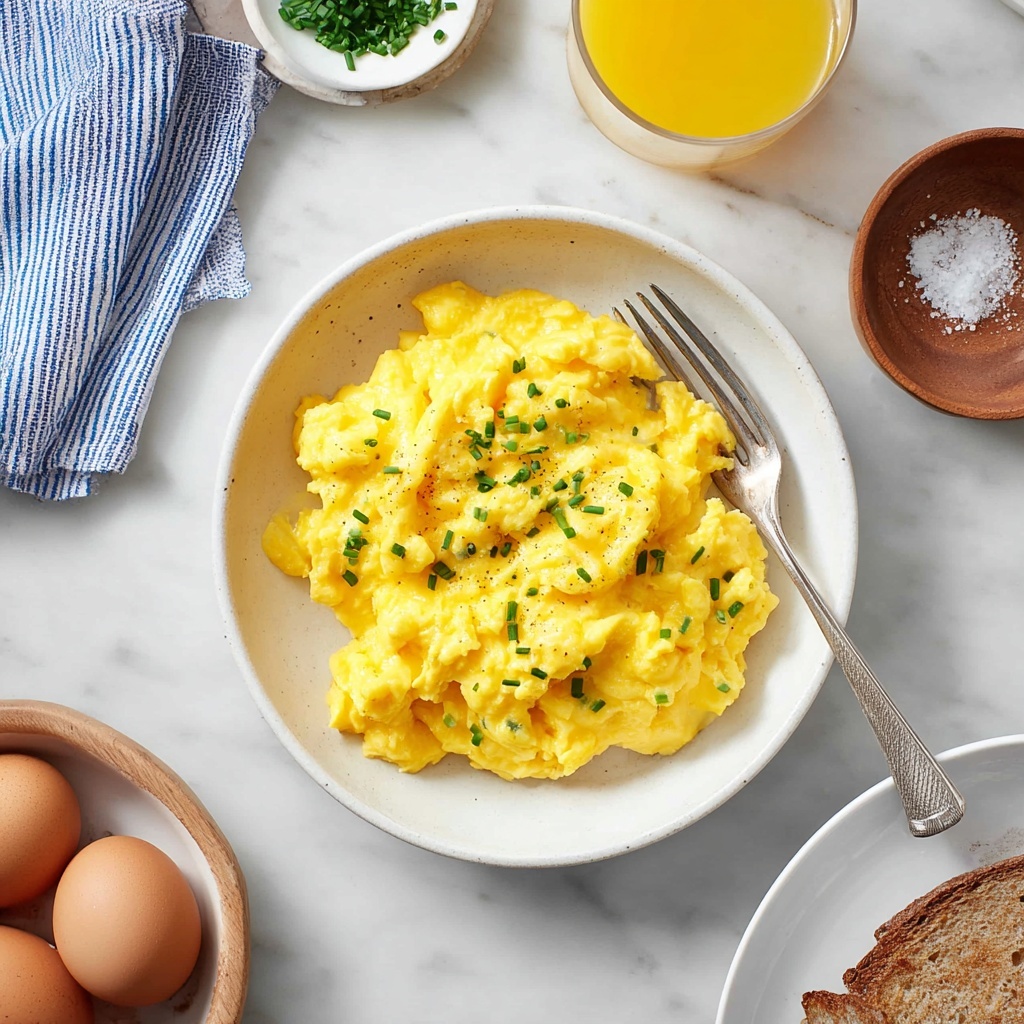
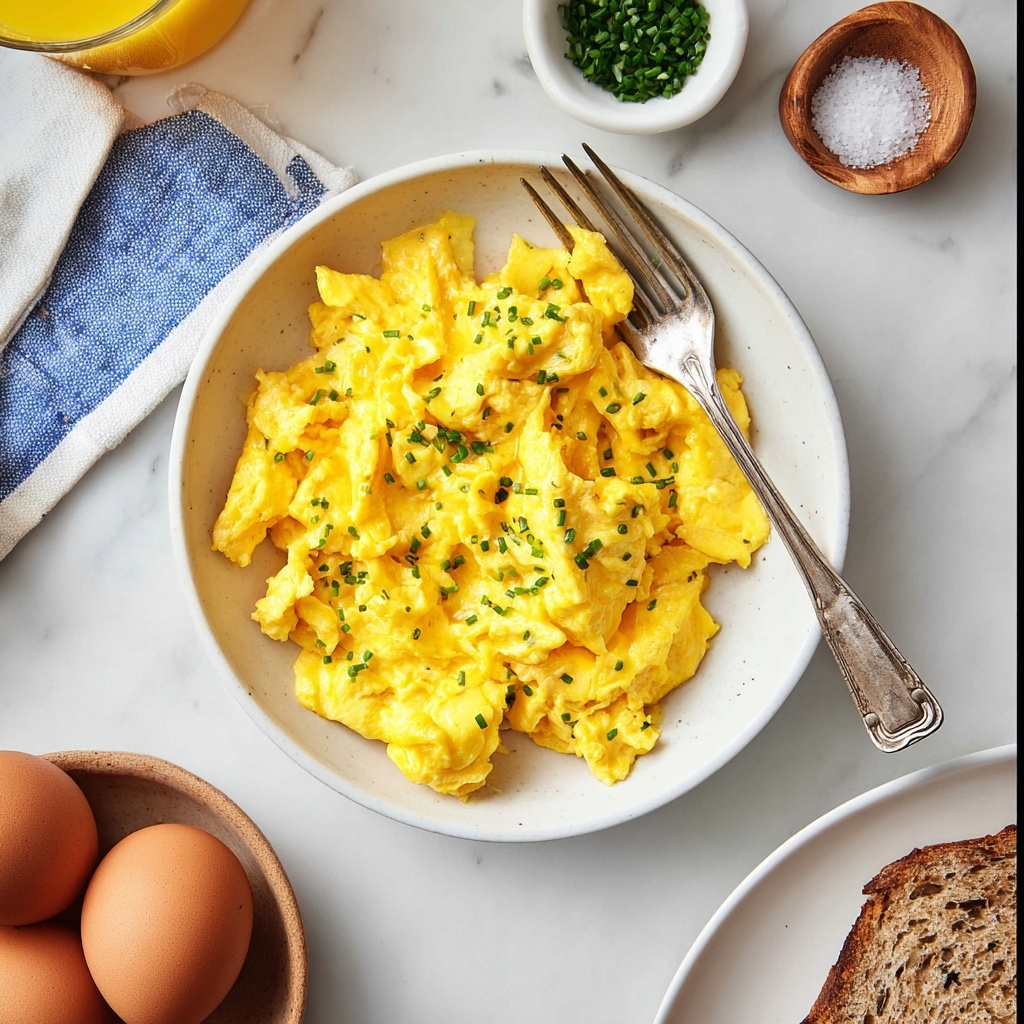
There is truly nothing as comforting and delightful as a plateful of fluffy, creamy eggs first thing in the morning. This Perfect Scrambled Eggs Recipe is my go-to for a quick breakfast that feels like a warm hug. It’s incredibly simple yet so satisfying, with eggs cooked gently to create those soft curds that melt on your tongue. Whether you’re rushing or relaxing, these scrambled eggs promise a brilliant balance of richness and freshness that will brighten any day.
Ingredients You’ll Need
Making the perfect scrambled eggs might sound straightforward, but each ingredient plays a vital role in crafting their delicate texture and mouthwatering flavor. You’ll love how these few simple items come together effortlessly to create a dish that’s far greater than the sum of its parts.
- 3 large eggs: The star of the dish, providing richness and protein, so choose fresh eggs for the best flavor and color.
- 1 teaspoon milk, plant milk, or water: This little addition keeps the eggs creamy and light, helping to achieve those beautiful soft curds.
- Extra-virgin olive oil or butter: Both add a layer of lusciousness to help prevent sticking and infuse gentle flavor; butter adds richness while olive oil contributes subtle fruitiness.
- Sea salt and freshly ground black pepper: Essential for seasoning, these simple staples enhance and elevate the eggs’ natural taste.
- Chopped fresh chives (optional): A sprinkle of freshness and a mild onion flavor to brighten up the final dish.
How to Make Perfect Scrambled Eggs Recipe
Step 1: Whisk Eggs and Liquid
Start by cracking your eggs into a medium bowl and adding the teaspoon of milk, plant milk, or water. Whisk them together until completely smooth with no streaks of clear egg white left. This step is crucial because it ensures uniform cooking and a silky texture that’s signature to the Perfect Scrambled Eggs Recipe.
Step 2: Preheat Your Skillet
Brush a small nonstick skillet lightly with your choice of olive oil or melt a touch of butter over medium heat. Preheating the pan just right is the secret to cooking eggs gently, preventing browning and encouraging that tender creaminess.
Step 3: Begin Cooking Without Stirring
Pour the eggs into your warm pan and resist the urge to immediately stir. Let them sit untouched for a few seconds so the edges start to set and form soft curds. This patient pause lays the foundation for that lovely fluffy texture we all crave.
Step 4: Fold Gently and Constantly
Once the eggs begin to firm up on the bottom, drag a rubber spatula across the skillet, gathering the eggs into large, soft curds. Continue to cook on medium-low heat, gently folding and stirring every few seconds. Keep scraping the spatula along the bottom and sides of the pan to form more curds and keep everything moist without any part drying out.
Step 5: Finish Slightly Undercooked
When your eggs are mostly set but still a bit glossy with a touch of runny egg, take the pan off the heat immediately. The residual warmth will finish cooking them perfectly without overdoing it. Season well with salt and pepper, then scatter fresh chopped chives if you’re feeling fancy.
How to Serve Perfect Scrambled Eggs Recipe
Garnishes
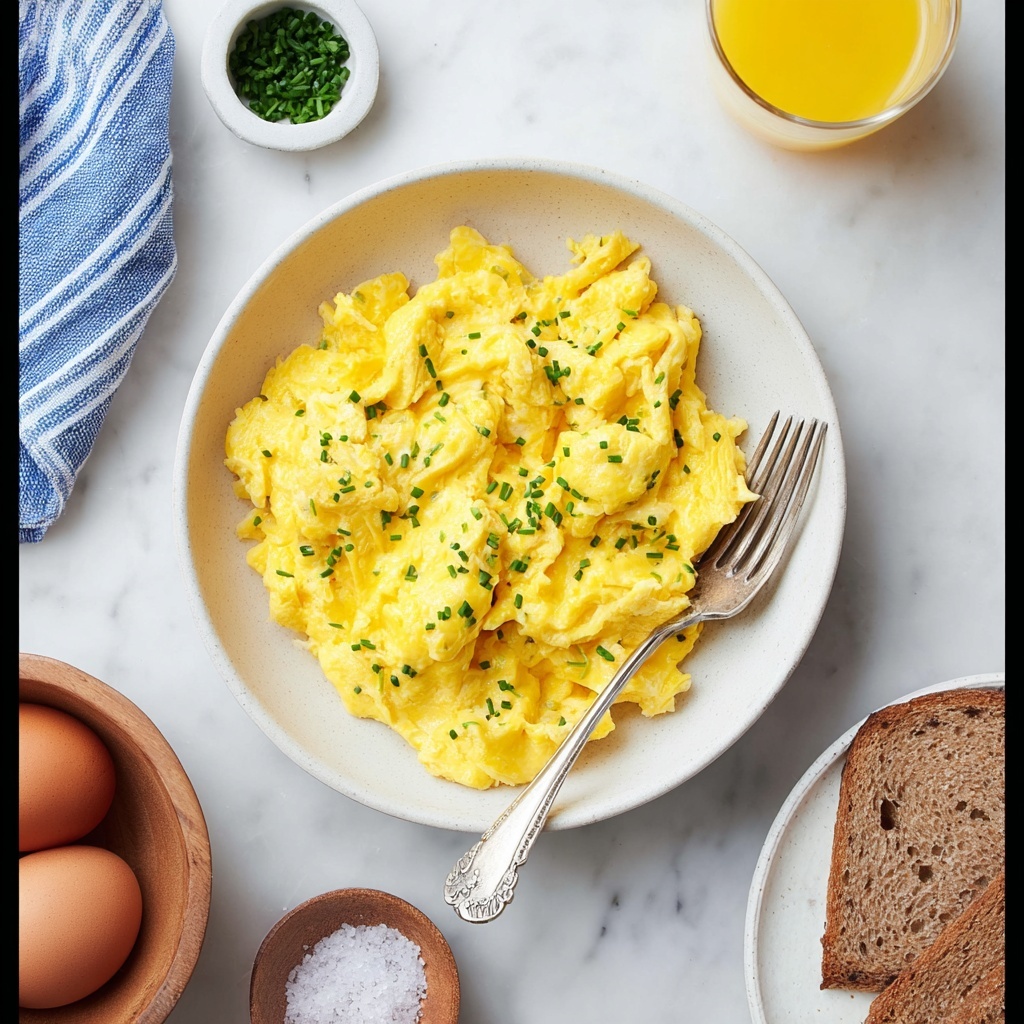
A simple sprinkle of fresh chopped herbs like chives, parsley, or tarragon adds a pop of color and fresh flavor that pairs beautifully with creamy eggs. Grated cheese or a dash of smoked paprika also bring extra personality to the plate.
Side Dishes
Scrambled eggs shine alongside crispy toast, buttery croissants, or even roasted tomatoes. For a wholesome touch, serve with sautéed spinach, avocado slices, or a handful of fresh greens to round out your meal with texture and nutrition.
Creative Ways to Present
Try serving your perfectly scrambled eggs over warm tortillas with salsa for a quick breakfast taco, or dollop them on a toasted English muffin with smoked salmon and cream cheese for a brunch-worthy treat. You can even pile them on top of a bowl of creamy grits or quinoa for a comforting, protein-packed twist.
Make Ahead and Storage
Storing Leftovers
If you find yourself with leftover scrambled eggs, store them in an airtight container in the refrigerator for up to two days. Keep the eggs cool and sealed well to maintain their texture and flavor without drying out.
Freezing
While scrambled eggs are best enjoyed fresh, you can freeze leftovers in small portions for up to one month. Use freezer-safe containers or bags, separating portions with parchment paper for easy thawing.
Reheating
To bring your stored scrambled eggs back to life, gently reheat them over low heat in a nonstick skillet with a splash of water or milk to restore softness. Avoid the microwave for reheating as it can quickly dry out the eggs and make them rubbery.
FAQs
Can I use different types of milk in this recipe?
Absolutely! Whether it’s dairy milk or plant-based alternatives like almond, oat, or soy milk, a teaspoon added to the eggs helps create that sought-after creamy texture without overpowering the flavor.
Why do my scrambled eggs turn out dry sometimes?
Overcooking is the usual culprit; removing the eggs from heat slightly before they’re fully set lets residual warmth finish the job, keeping them moist and tender. Also, cooking over low to medium heat prevents drying out.
Is there a secret to making the eggs fluffy?
Whisking the eggs thoroughly introduces air that becomes tiny bubbles inside the eggs, contributing to their fluffiness. Gentle and constant stirring during cooking also helps create those large soft curds for an airy texture.
Can I add other ingredients to the eggs while cooking?
You can, but timing is key. Add delicate ingredients like herbs or cheese near the very end to prevent them from overcooking. For heartier add-ins like sautéed vegetables or meats, cook them separately and fold them in just before serving.
Is using a nonstick pan necessary?
While not absolutely required, a nonstick skillet makes cooking scrambled eggs much easier and helps achieve the soft curds without sticking or burning. If you don’t have one, just be sure to use enough fat and cook on low heat with frequent stirring.
Final Thoughts
Ready to start your day with a dish that feels like a special treat every time? This Perfect Scrambled Eggs Recipe brings together simple ingredients, gentle cooking, and a few little tricks to deliver fluffy, creamy eggs that everyone will adore. Trust me, once you master these steps, you’ll never look at scrambled eggs the same way again. Go on, give it a try and see how something so humble can be so wonderfully delicious!
Print
Perfect Scrambled Eggs Recipe
- Prep Time: 2 minutes
- Cook Time: 3 minutes
- Total Time: 5 minutes
- Yield: 1 serving
- Category: Breakfast
- Method: Frying
- Cuisine: American
- Diet: Low Fat
Description
This classic scrambled eggs recipe offers a simple, quick, and delicious way to enjoy fluffy, soft eggs with a creamy texture. Perfect for breakfast or a light meal, these scrambled eggs are gently cooked with olive oil or butter and seasoned to taste, making them a versatile and satisfying dish.
Ingredients
Egg Mixture
- 3 large eggs
- 1 teaspoon milk, plant milk, or water
For Cooking
- Extra-virgin olive oil or butter (for the pan)
- Sea salt, to taste
- Freshly ground black pepper, to taste
Optional Garnish
- Chopped fresh chives
Instructions
- Prepare the eggs: Crack the eggs into a medium bowl and add the milk or water. Whisk briskly until the mixture is smooth, and no streaks of egg white remain, ensuring an even texture.
- Heat the pan: Lightly brush a small nonstick skillet with olive oil or melt a little butter over medium heat until the fat is hot but not smoking, preparing the surface for gentle cooking.
- Start cooking the eggs: Pour the egg mixture into the skillet and allow it to cook undisturbed for a few seconds so the eggs begin to set at the bottom, creating the base for soft curds.
- Form curds gently: Using a rubber spatula, pull the eggs from the edges toward the center to form large, soft curds. Continue to fold and stir gently over medium-low heat, scraping the pan bottom and sides frequently to cook evenly and prevent drying.
- Finish and season: Remove the pan from heat while the eggs are mostly set but still slightly runny for a creamy consistency. Season with salt and freshly ground black pepper to taste, and garnish with chopped fresh chives if desired before serving.
Notes
- Use fresh eggs for best taste and texture.
- Adding milk or water helps produce softer, fluffier eggs.
- Cook eggs on medium to medium-low heat to avoid browning and achieve creamy curds.
- Remove eggs from heat just before completely set as they will continue to cook off the heat.
- Optional chives add a fresh herbal note and a pop of color.